Runner’s Knee: Why It Happens & What Actually Fixes It
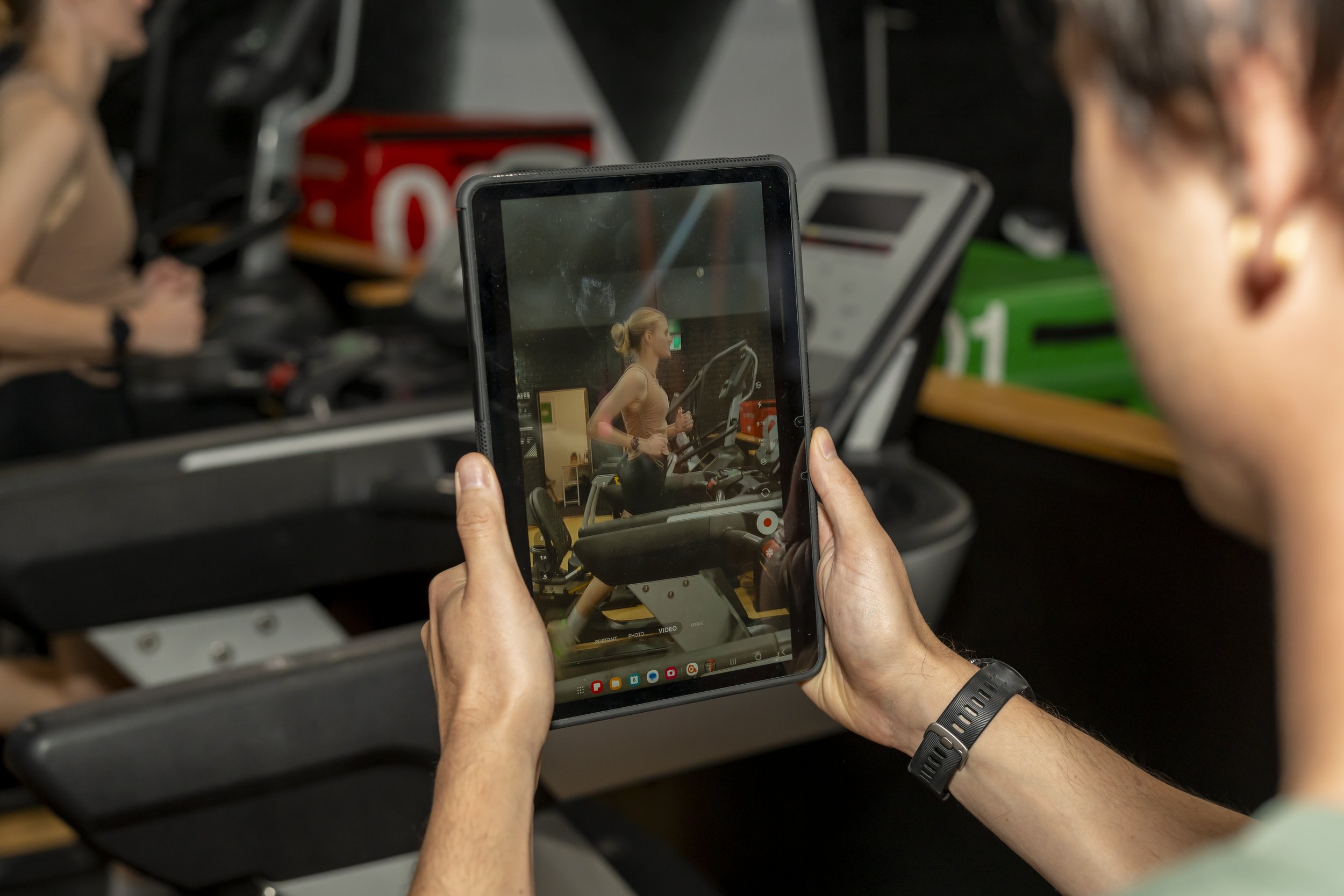
That Ache at the Front of Your Knee…
It starts as a mild discomfort.
Maybe:
Going down stairs feels off
Your knee aches after a run
It warms up… but comes back later
Sitting for long periods makes it stiff
You keep training through it because it’s “not that bad.”
Until it is.
AtGood Vibes Physio Sunshine Coast, runner’s knee is one of the most common issues we treat — especially when running volume increases.
The good news?
It’s very fixable — when you address the right things.
What Is Runner’s Knee?
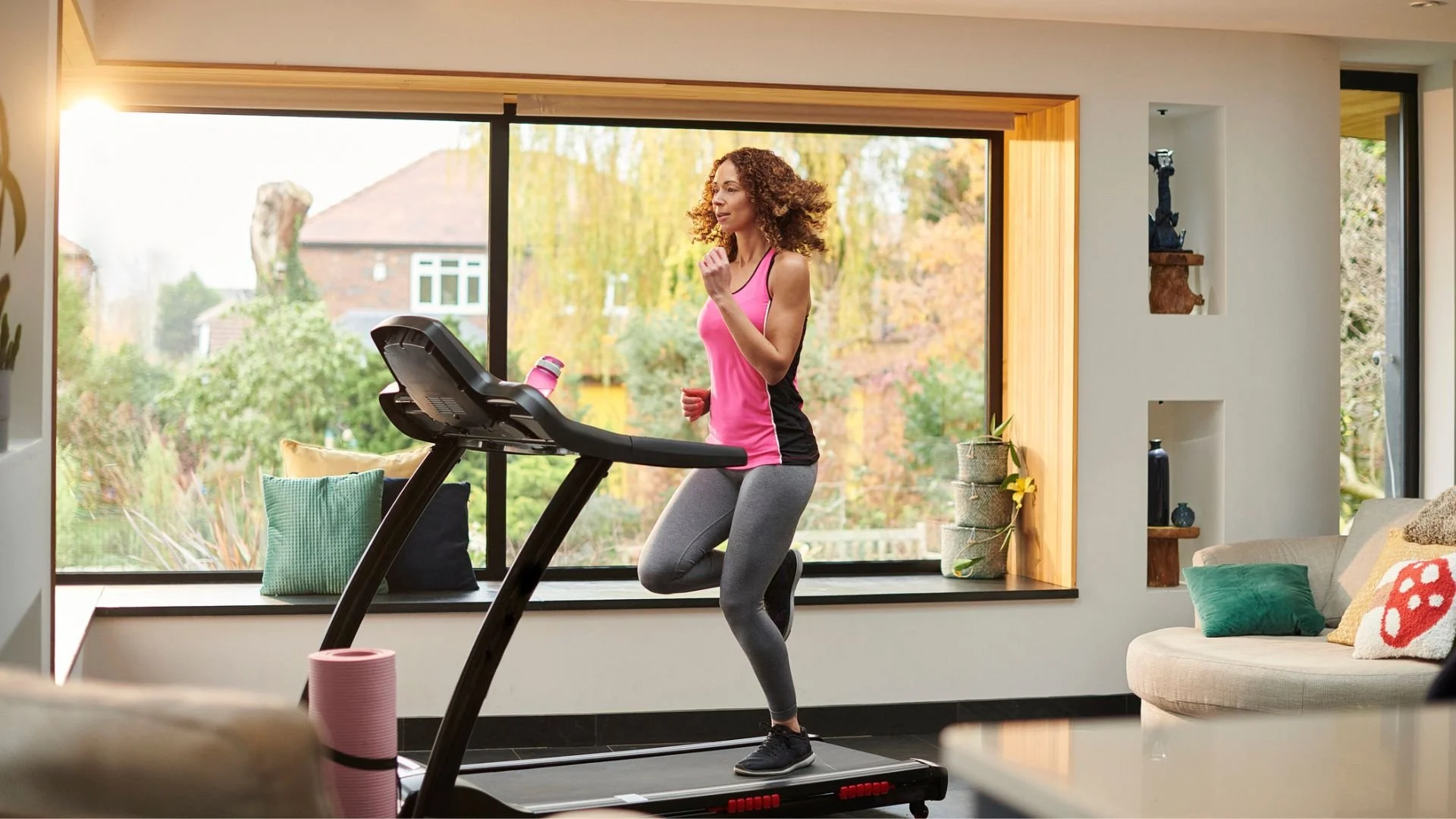
Runner’s knee (often called patellofemoral pain) refers to pain around or behind the kneecap.
It’s not usually a structural tear or major injury.
It’s a load-related pain condition — meaning the joint is being stressed more than it can currently tolerate.
Why Runner’s Knee Happens
It’s rarely just “weak quads” or “bad knees.”
Most cases involve a combination of:
1️. Sudden Increase in Running Volume
More kilometres. More hills. More speed.
Your tissues haven’t adapted yet.
2️. Poor Load Management
Stacking:
Running
Gym
Work stress
Poor sleep
Your total load matters.
3️. Weak or Underperforming Hips
If your lateral hip stabilisers aren’t controlling your hip and thigh well, the knee often takes extra stress.
4️. Calf and Ankle Limitations
Limited ankle mobility or weak calves can change how force travels through your knee.
5️. Running Mechanics Under Fatigue
Your form late in runs is often different than at the start.
Fatigue changes everything.
Why It Keeps Coming Back
Most runners:
Rest until it settles
Ice it
Foam roll
Stretch
Then go straight back to the same load.
The pain isn’t random.
It’s your knee saying:
“I can’t handle this amount of stress yet.”
What Actually Fixes Runner’s Knee
1️. Adjust the Load (Not Stop Completely)
You usually don’t need to stop running.
You need to:
Temporarily reduce volume
Modify intensity
Remove aggravating hills or speed
Keep moving — just smarter.
2️. Build Strength Where It Matters
Focus on:
Glute strength
Quad capacity
Calf strength
Single-leg control
Strong tissues tolerate load better.
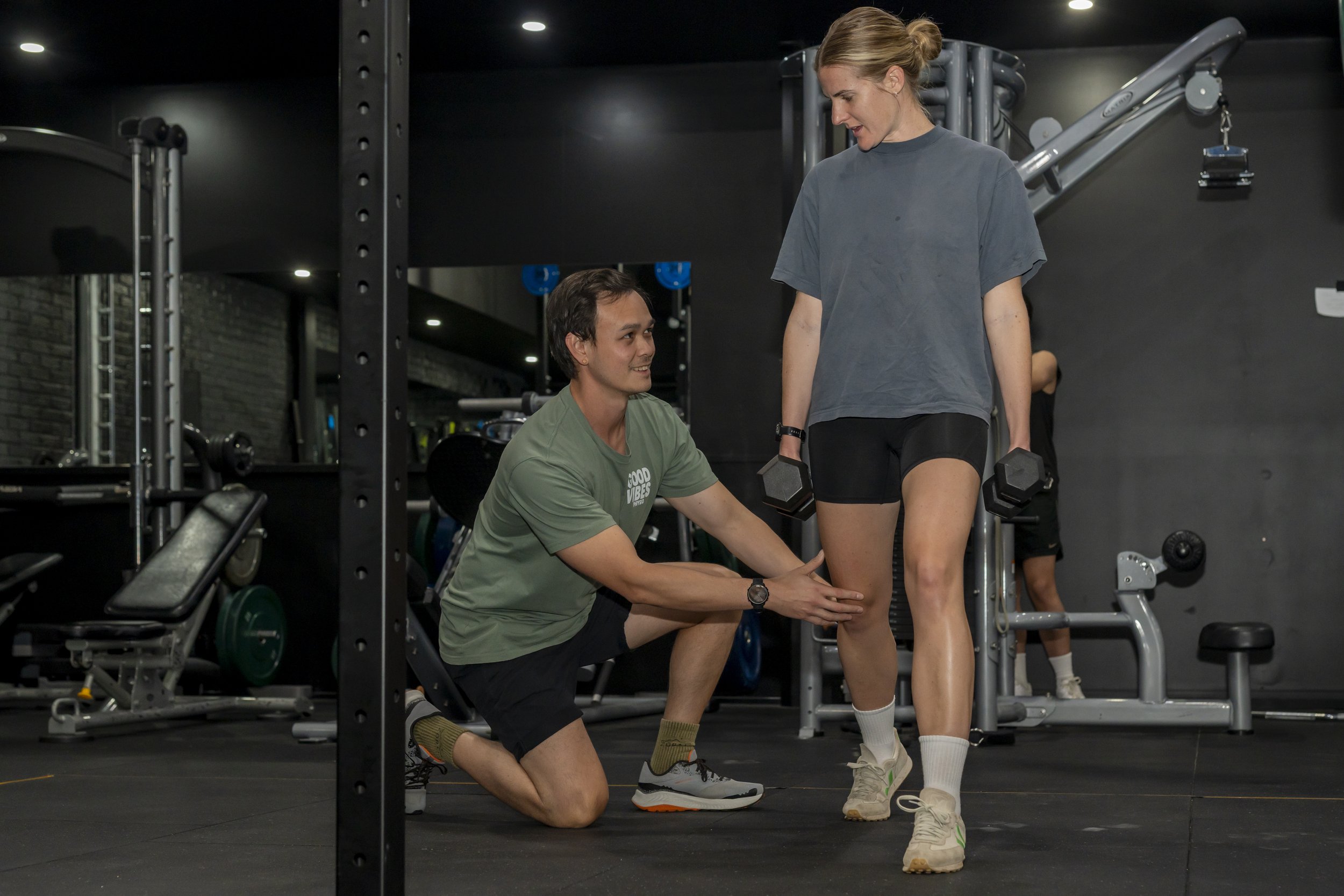
3️. Improve Control & Mechanics
Target:
Hip stability
Knee tracking
Running technique under fatigue
Movement quality matters as much as strength.
4️. Gradually Rebuild Volume
Once symptoms calm down:
Progress slowly
Follow structured increases
Monitor early warning signs
Consistency > rushing.
Signs You Should Get It Assessed
Pain lasting more than 1–2 weeks
Pain worsening with stairs or hills
Pain returning every time you increase mileage
Swelling or persistent stiffness
Early treatment means faster return to pain-free running.
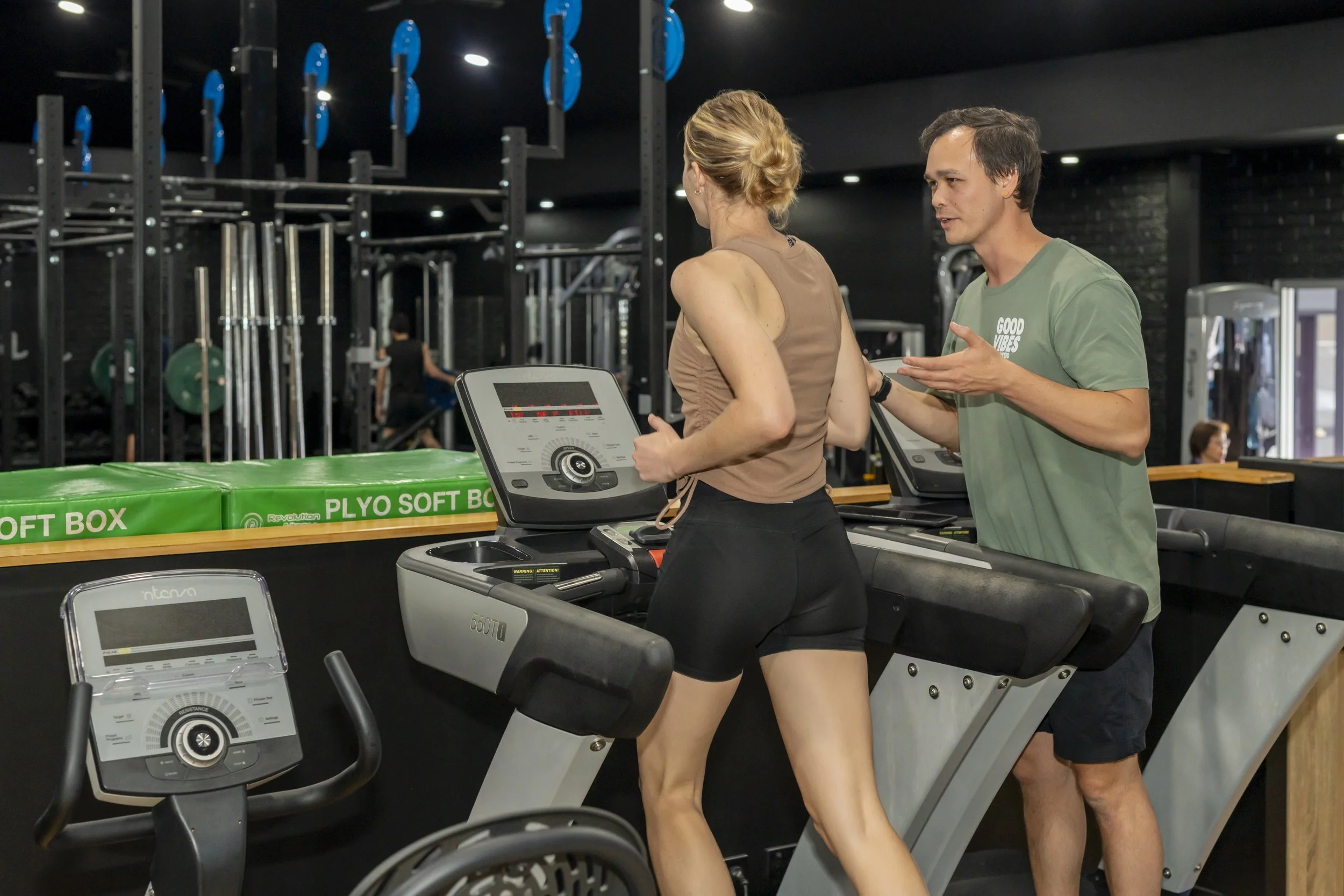
The Goal Isn’t Just Pain Relief
It’s running confidently without constantly managing your knee.
How We Help Runners at Good Vibes Physio
We help runners on the Sunshine Coast:
✅ Identify the real cause of knee pain
✅ Adjust training without losing fitness
✅ Build strength and control
✅ Prevent recurrence
✅ Get back to consistent running
Whether you’re training for an event or just love your morning runs, we’ll help you find the cause and fix the problem - not just manage it.
If you're dealing with knee pain, book an initial consult at Good Vibes Physio - and leave with a clear plan, not just a guess.
Want more than a single appointment? The Good Movement Program is a structured 4–12 week rehab plan built for active people who want results that last.