How to Increase Running Volume Without Getting Injured
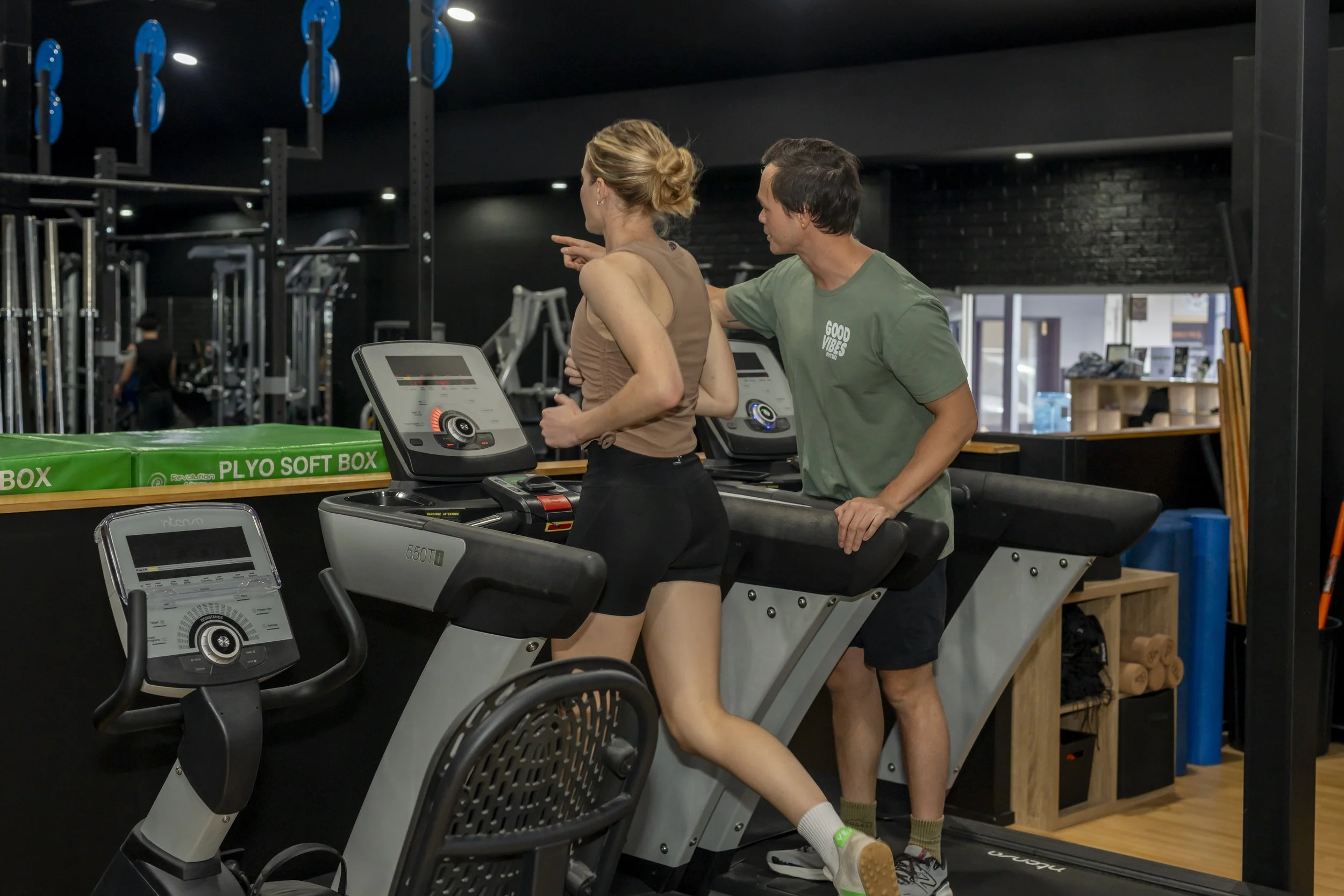
Running More Should Make You Fitter — Not Injured
You decide to build your distance.
Maybe you’re:
Training for a half marathon
Getting ready for a fun run
Running more consistently this year
You feel good. You add a few extra kilometres. Maybe another session.
And then…
Your calf tightens.
Your knee starts aching.
Your Achilles feels “a bit off.”
Your hip isn’t quite right.
At Good Vibes Physio Sunshine Coast, we see this pattern constantly.
The issue usually isn’t running.
It’s how quickly you increased your volume.
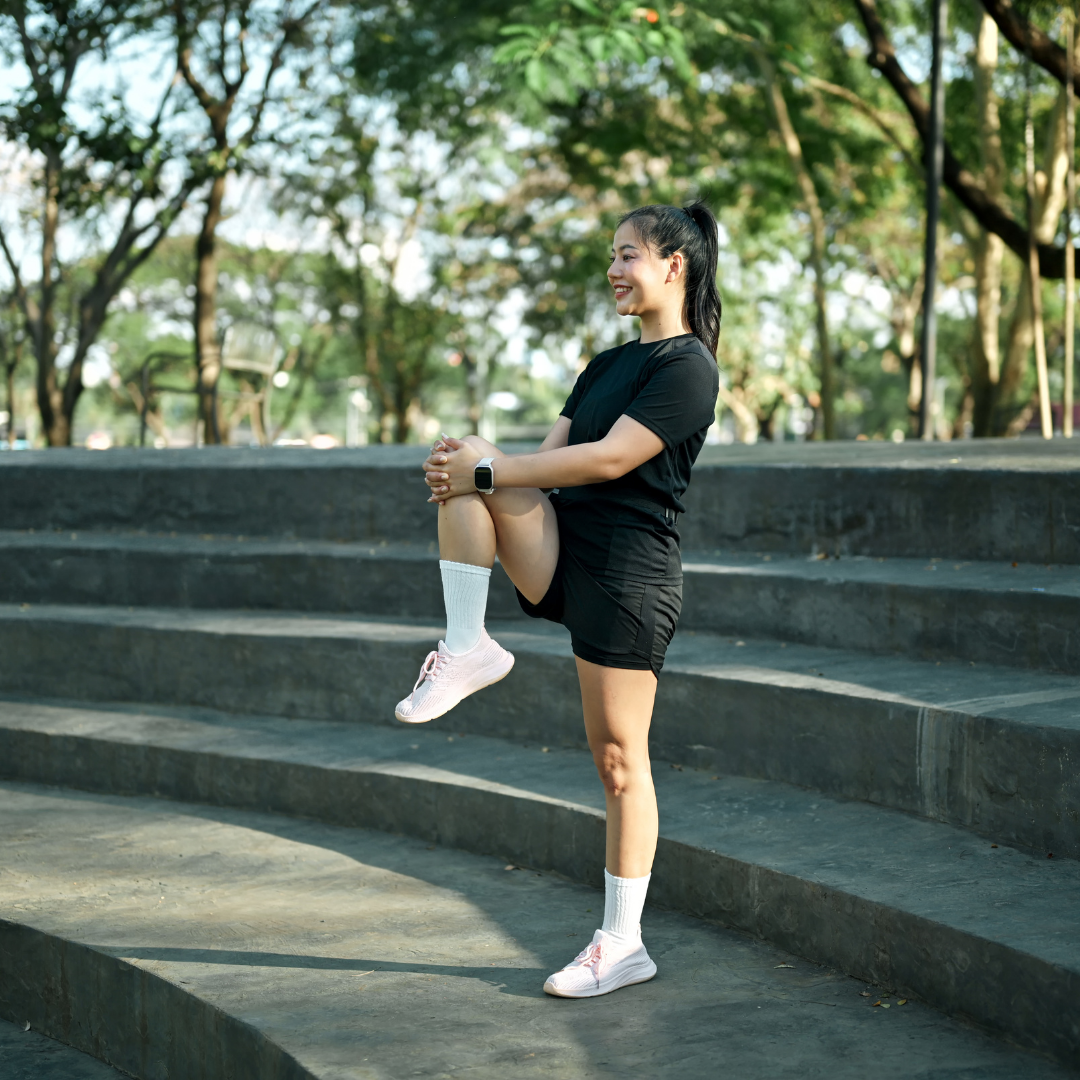
Why Running Volume Causes So Many Injuries
Running is repetitive. Very repetitive.
Each step places load through your:
Calves
Achilles tendon
Knees
Hips
Lower back
When you increase volume, you increase total load exposure.
Your cardiovascular system adapts quickly.
Your tendons, joints, and connective tissues adapt much more slowly.
That’s where injuries happen.
The Real Problem: Load Spikes
Most running injuries happen when:
Weekly kilometres jump too quickly
You add speed work and volume at the same time
You increase frequency without recovery
You stack stress (poor sleep, work, gym, life) on top
Your body doesn’t hate volume.
It hates sudden change.
The Smart Way to Increase Running Volume
1. Follow the 10% Rule (As a Guide, Not Gospel)
Aim to increase weekly volume by no more than 5–10% at a time.
Example:
If you’re running 30km per week → increase to 32–33km, not 40km.
Small jumps = long-term consistency.
2️. Change One Variable at a Time
Don’t increase:
Distance
Speed
Hills
Frequency
All in the same week.
Pick one.

3️. Respect Tissue Adaptation
Tendons and connective tissues need time.
A good structure:
3 weeks progressive build
1 week lighter (deload or consolidation)
This helps your tissues catch up.
4️. Watch Early Warning Signs
Common early red flags:
Morning stiffness in Achilles
Knee pain during or after runs
Persistent calf tightness
Hip soreness that lingers
Pain that worsens through the week
Pain that builds gradually is your body asking for adjustment.
5️. Support Your Running With Strength Work
Running alone doesn’t build enough resilience.
Key areas to strengthen:
Calves (especially soleus)
Glutes
Hamstrings
Core
Stronger tissues tolerate higher volume.
The Mistake Most Runners Make
They ignore the niggle until it’s so painful they need to stop.
Instead of adjusting when it first feels “a bit tight.”
Small adjustments early prevent big setbacks later.
Common Volume-Related Injuries We See
At Good Vibes Physio, we commonly treat:
Achilles tendinopathy
Shin splints
Runner’s knee
ITB irritation
Calf strains
Lateral Hip issues
Almost all are linked to a rapid increase in running load.
The Goal: Consistency Over Hero Weeks
One big week doesn’t make you fitter.
Twenty steady weeks do.
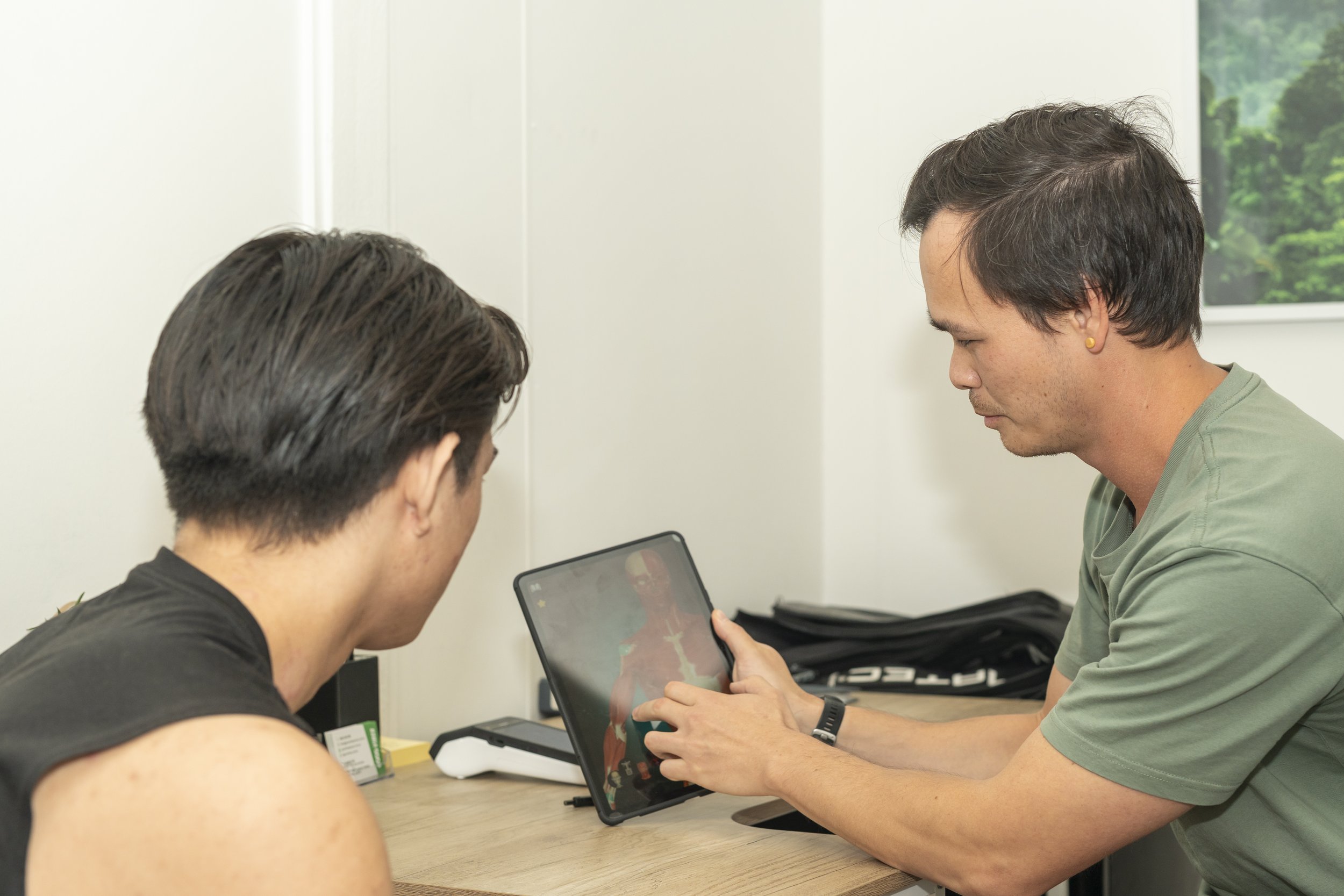
How We Help Runners on the Sunshine Coast
At Good Vibes Physio, we help runners:
✅ Increase volume safely
✅ Adjust training before injury develops
✅ Fix early warning signs
✅ Build strength for long-term durability
✅ Stay consistent year-round
Whether you’re chasing a PB or just love your morning runs, we’ll help you run more — without breaking down.
If your body is starting to feel the load increase, book an assessment and let’s build a smarter plan.