Shin Splints: Early Warning Signs You Shouldn’t Ignore
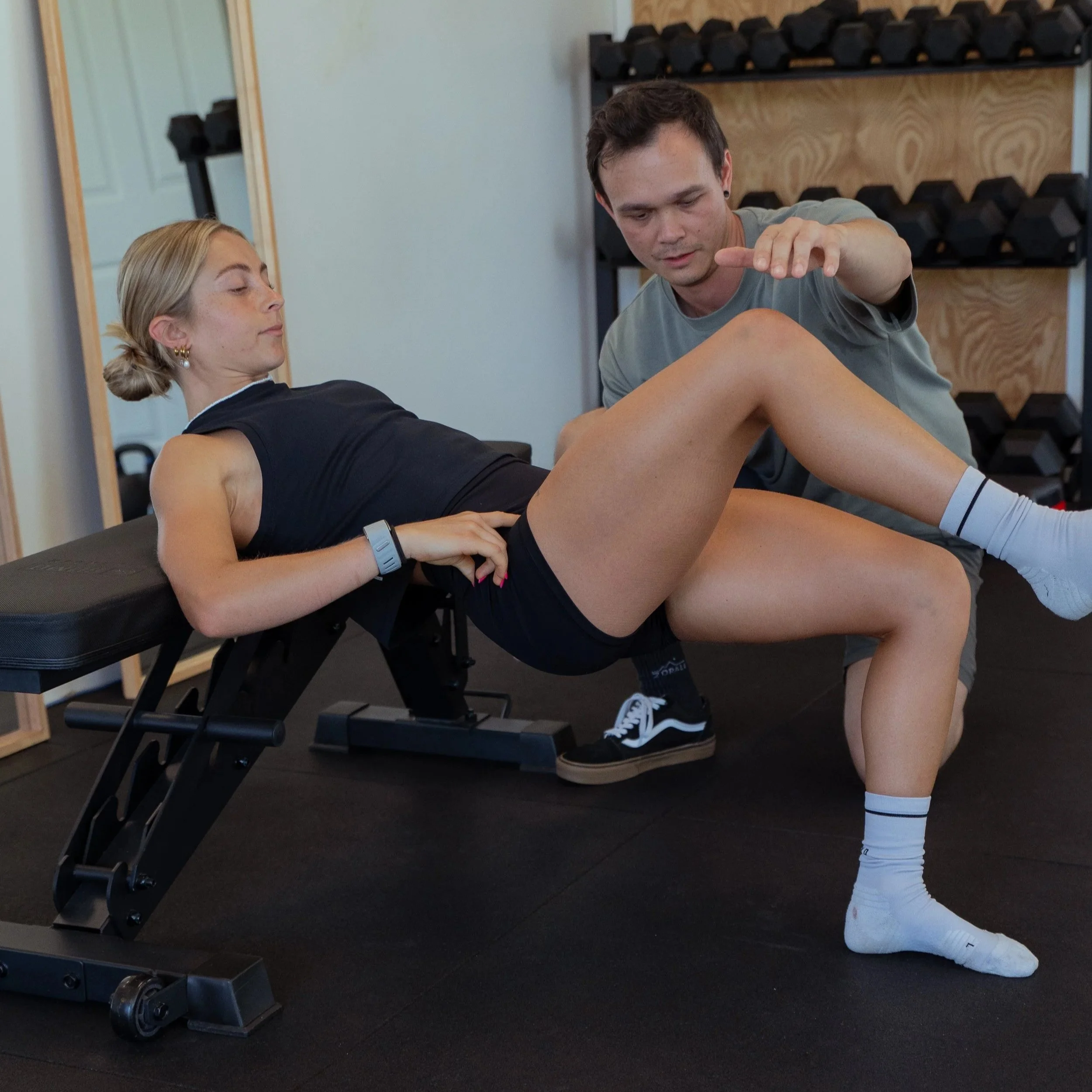
That Tight, Achy Feeling Along Your Shin…
It usually starts small.
Maybe:
Your shins feel tight at the start of a run
There’s a dull ache along the inside of your lower leg
It warms up… but comes back afterward
It feels worse when you increase distance or speed
You tell yourself it’s just soreness.
Until it isn’t.
At Good Vibes Physio Sunshine Coast, shin splints are one of the most common early-season running injuries we see — especially when training volume increases quickly.
The good news?
If you catch it early, it’s very manageable.
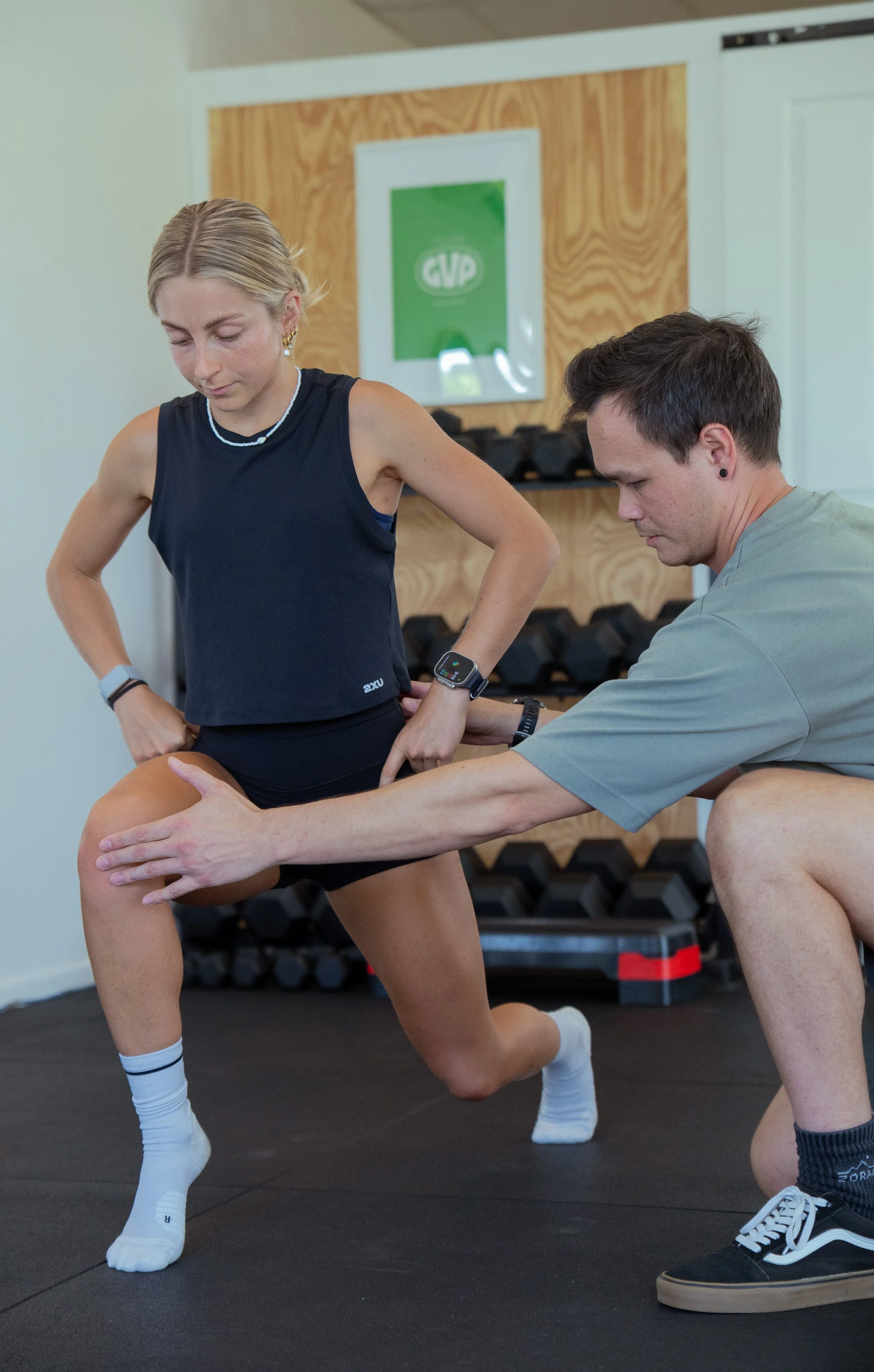
What Are Shin Splints?
“Shin splints” is a common term for medial tibial stress syndrome (MTSS) — pain along the inner border of the shin bone.
It’s a load-related injury, meaning your bone and surrounding tissues are being stressed faster than they can adapt.
It’s not just tight muscles.
It’s your body saying:
“This load is increasing too quickly.”
Why Shin Splints Happen
Most cases involve one or more of the following:
1️. Rapid Increase in Running Volume
More kilometres. More intensity. More frequency.
Your tissues need time to adapt.
2️. Hard or Changing Surfaces
Moving from:
Treadmill → road
Grass → pavement
Flat → hills
Changes how force travels through your lower leg.
3️. Weak Calves
If they lack strength or stamina, more load goes through your shin bone.
4️. Poor Recovery
Stacking:
Running
Gym
Work stress
Poor sleep
Reduces your ability to adapt.
5️. Footwear Changes
New shoes or worn-out shoes can alter loading patterns.
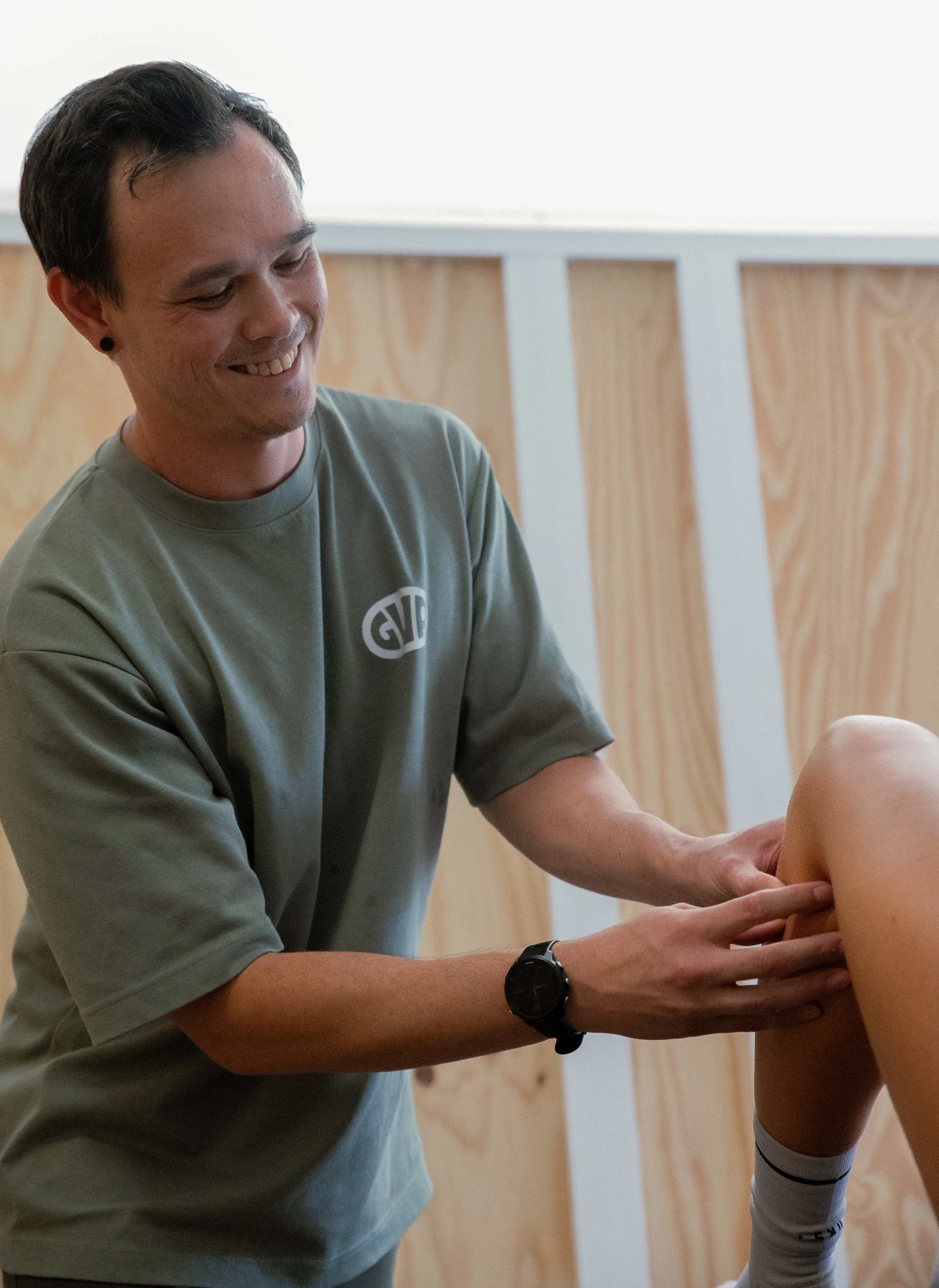
Early Warning Signs You Shouldn’t Ignore
Shin splints often follow a predictable pattern:
Pain at the start of a run that eases as you warm up
Tenderness when pressing along the inside of your shin
Pain that worsens with increased mileage
Stiffness the morning after training
Aching that lingers longer each week
If pain starts lasting during the entire run — or persists even at rest — you may be progressing toward a more serious bone stress injury.
That’s when you need assessment urgently.
The Biggest Mistake Runners Make
They push through it because:
“It warms up.”
Just because it warms up doesn’t mean it’s fine.
Pain that repeatedly returns is a sign your tissue capacity hasn’t caught up to your training load.
What Actually Fixes Shin Splints
1️. Adjust Your Load
You usually don’t need to stop completely.
But you may need to:
Reduce weekly kilometres
Remove speed or hills
Modify frequency
2️. Build Calf Strength
Strong calves reduce stress on your shin bone.
Focus on:
Heavy slow calf raises
Bent-knee (soleus) work
Single-leg strength
3️. Improve Load Tolerance Gradually
Once symptoms settle:
Increase volume slowly
Follow structured progressions
Monitor early warning signs
4️. Address Contributing Factors
This might include:
Running mechanics
Strength deficits
Mobility limitations
Recovery habits
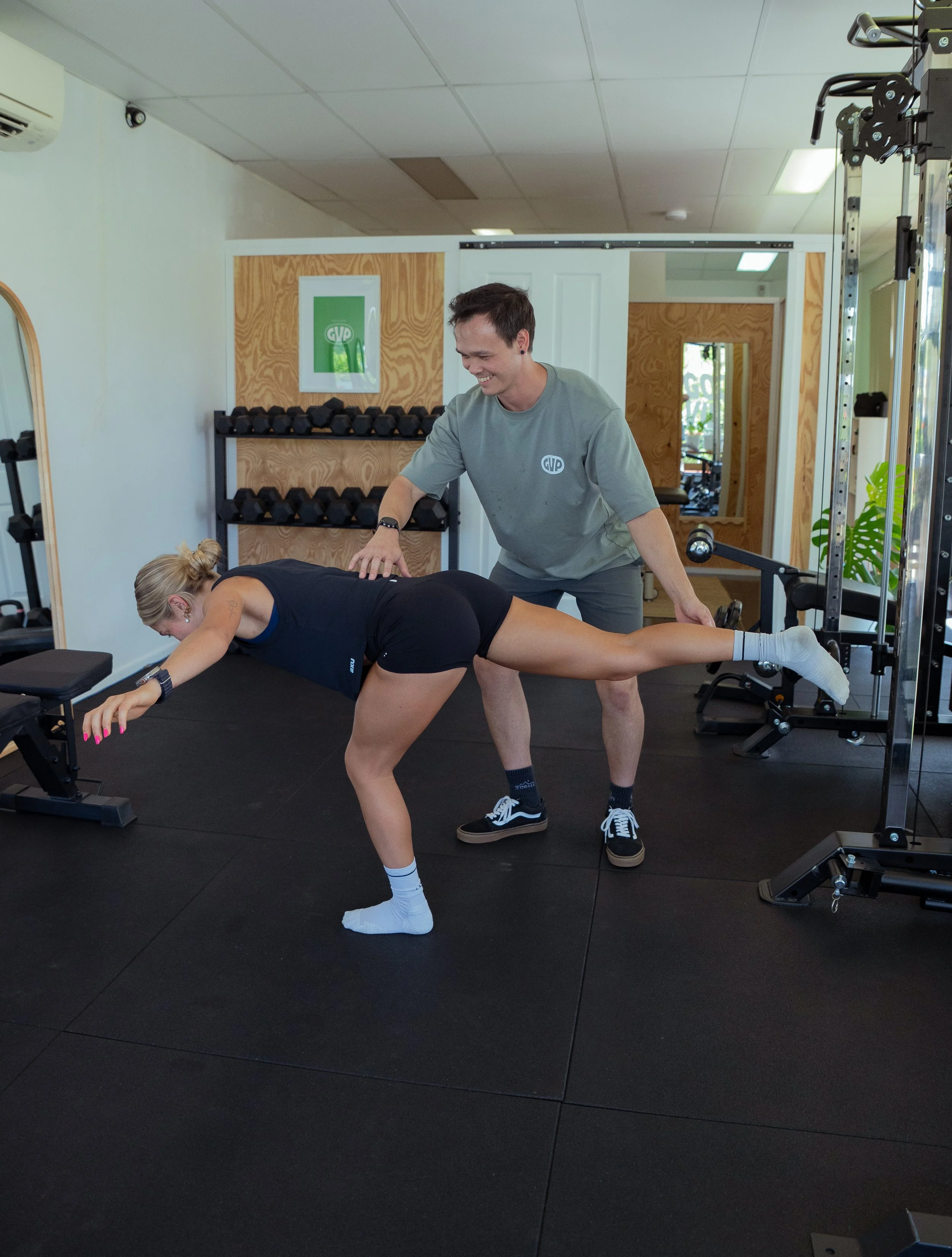
When to Get It Checked
Book an assessment if:
❌ Pain is worsening week to week
❌ Pain is sharp or localised to one small area
❌ Pain lingers even after stopping running
❌ Hopping is painful
These may suggest progression beyond simple shin splints.
The Goal Isn’t Just Pain Relief
It’s running consistently without constantly managing your shins.
How We Help at Good Vibes Physio
We help runners and active people on the Sunshine Coast:
✅ Catch shin splints early
✅ Adjust training without losing all fitness
✅ Build calf and lower leg strength
✅ Prevent progression to stress injuries
✅ Return to running confidently
If you're dealing with shin pain, book an initial consult at Good Vibes Physio - and leave with a clear plan, not just a guess.
Want more than a single appointment? The Good Movement Program is a structured 4–12 week rehab plan built for active people who want results that last.