How to Start the New Year Strong: Physio Tips for Fitness Resolutions

January arrives, motivation is high, and fitness goals are front and centre. New shoes. New gym membership. New routine. New year energy.
But here’s the tricky part — by February, many people have slowed down, burnt out, or picked up an injury they didn’t see coming.
At Good Vibes Physio, we see this pattern every year: too much, too soon, without a plan.
The good news? You can absolutely build a strong, consistent, injury-free year ahead with a smarter approach.
Here are physio-approved strategies to help you start 2026 feeling confident, capable, and set up for success — not strain.
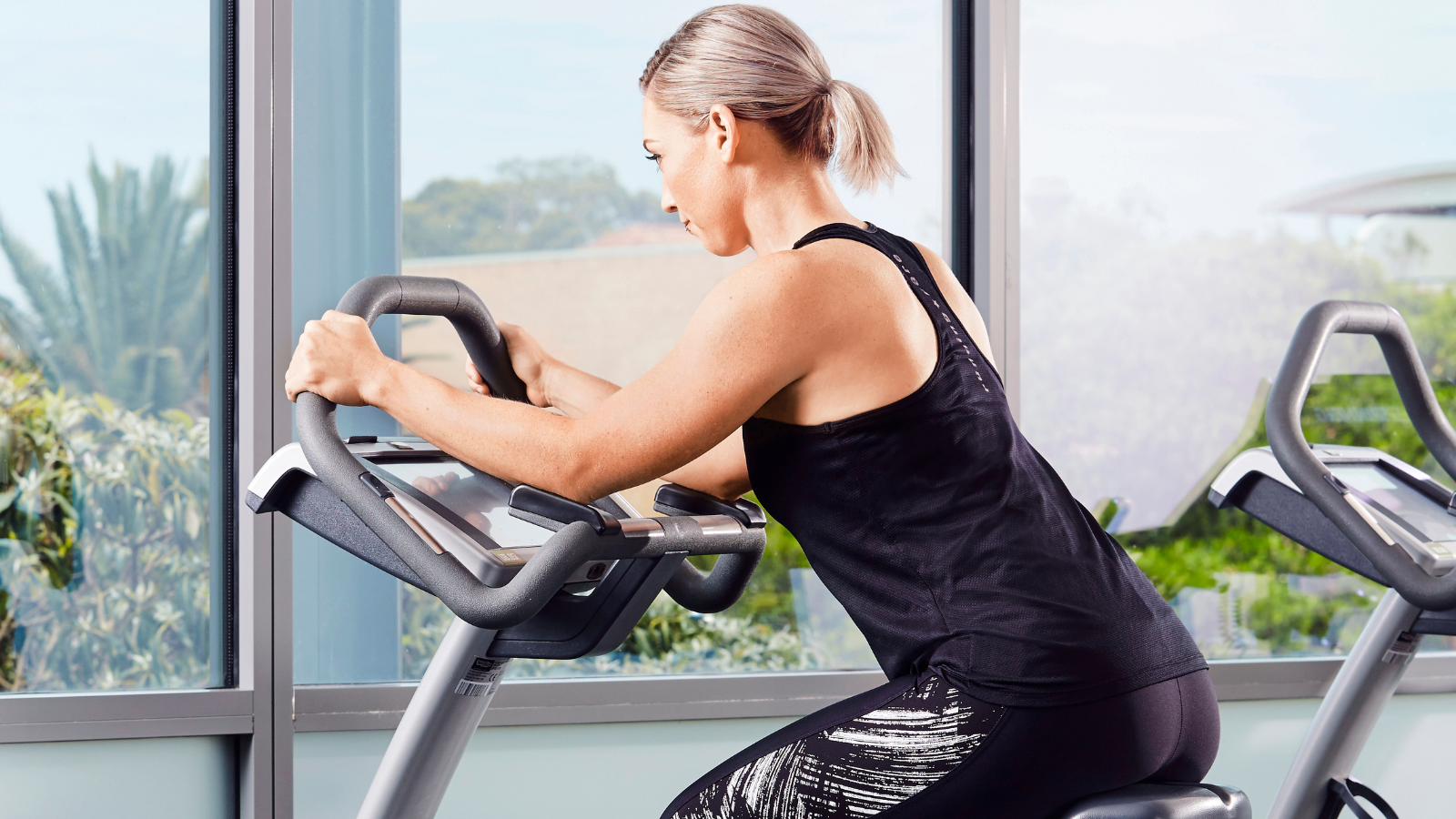
1. Don’t Go From 0 to 100
It’s tempting to jump straight into intense workouts, especially if you’re feeling motivated. But rapid overload is one of the biggest causes of early-year injuries.
Try this instead:
Start where your current fitness level is — not where you wish it was
Build volume, distance, or weight gradually
Increase intensity by no more than 10–15% per week
Slow progress isn’t weak progress — it’s sustainable progress.
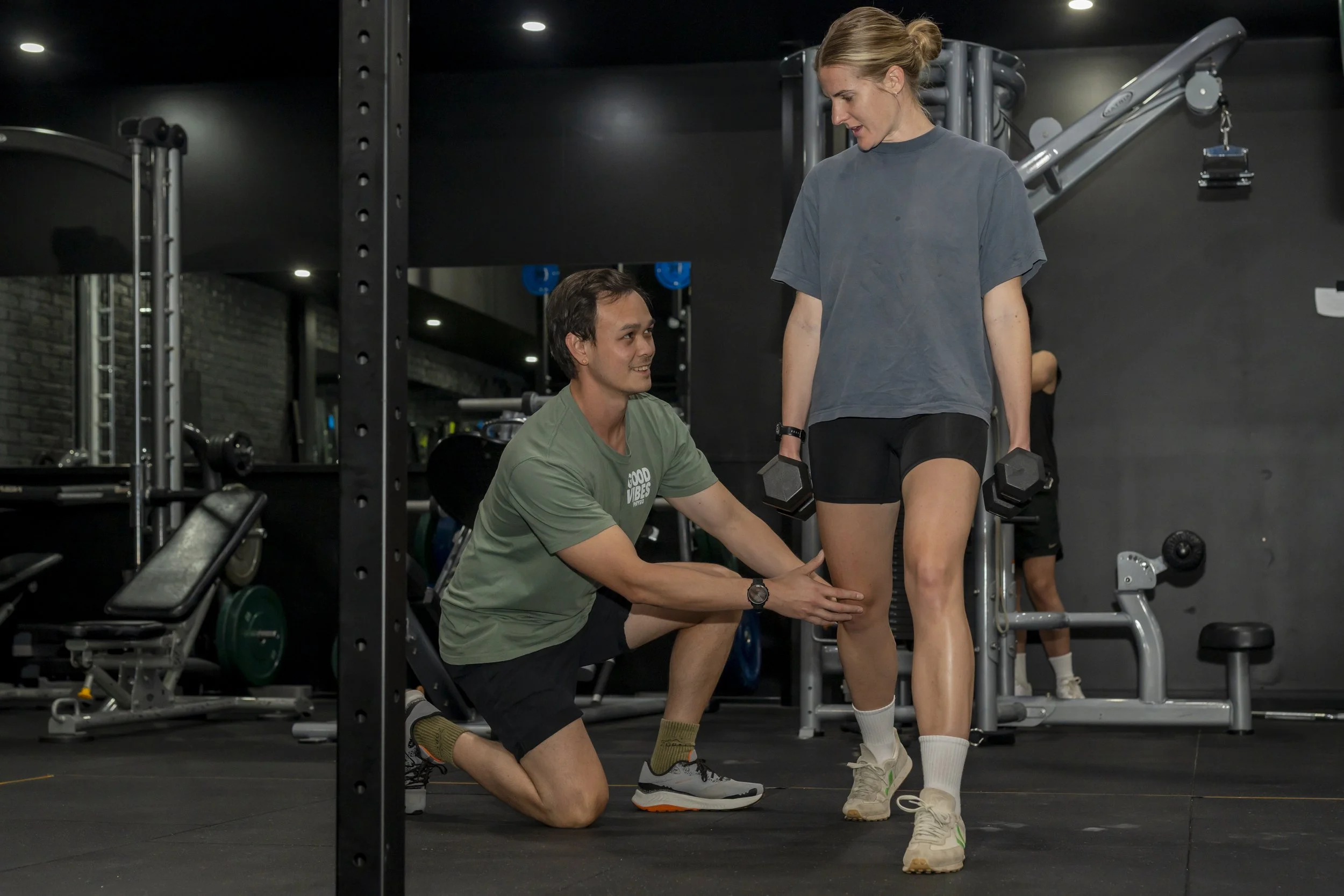
2. Focus on Movement Quality First
Before chasing reps, kilometres, or weight on the bar, focus on how you move.
Good technique protects your joints, reduces overload, and improves strength outcomes.
If you’re unsure about form, ask:
Am I moving smoothly?
Do both sides feel even?
Am I holding tension anywhere?
Better movement → better results.
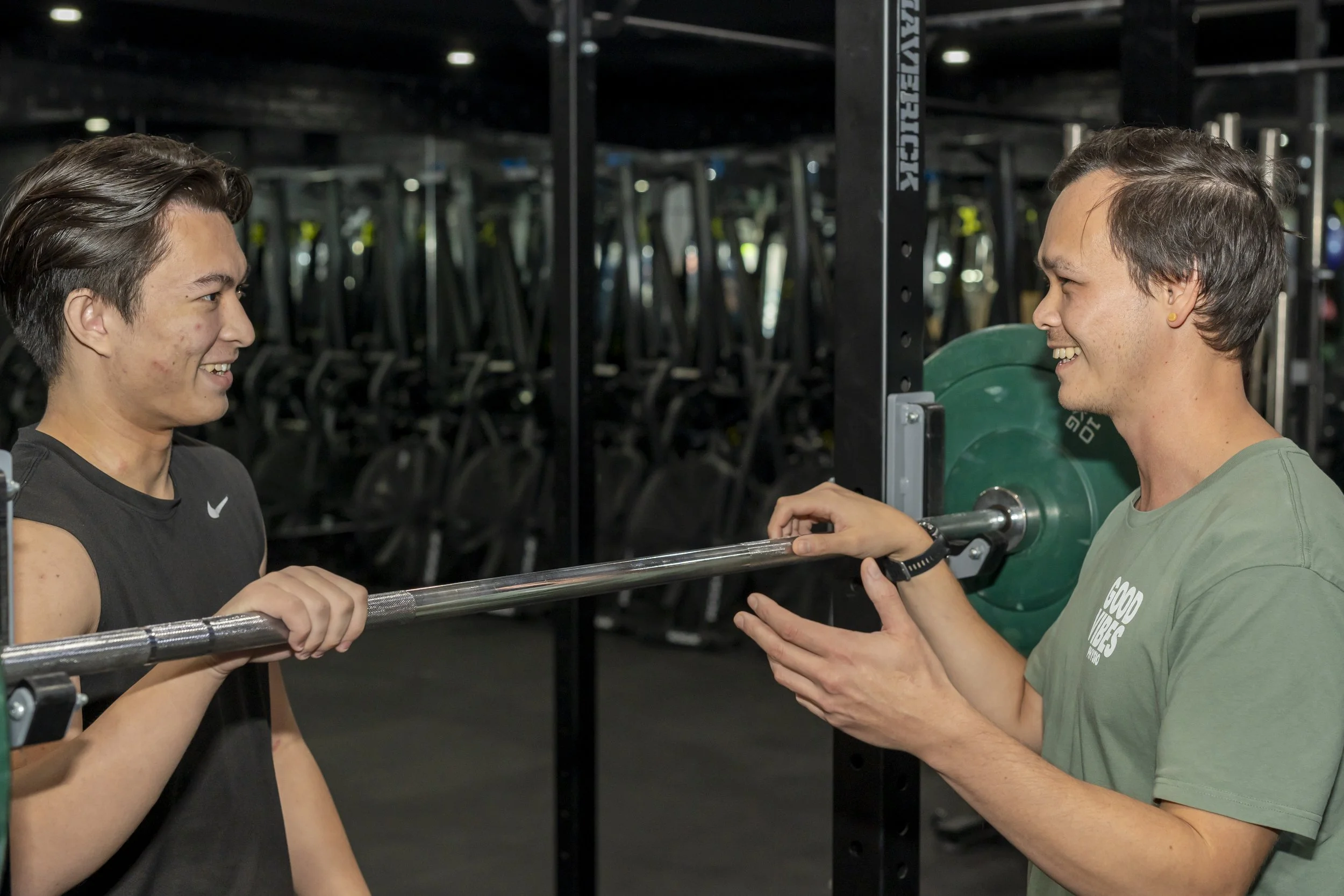
3. Strength Training = Injury Prevention
Whether your goal is running, weight loss, or general fitness, strength training should be part of your plan. It:
Builds resilient muscles
Improves posture
Protects joints and tendons
Helps you move with confidence
If you’re new to strength work, start with:
Bodyweight exercises
Light dumbbells
Controlled tempo
Good technique
Strength isn’t just about lifting more — it’s about moving better.
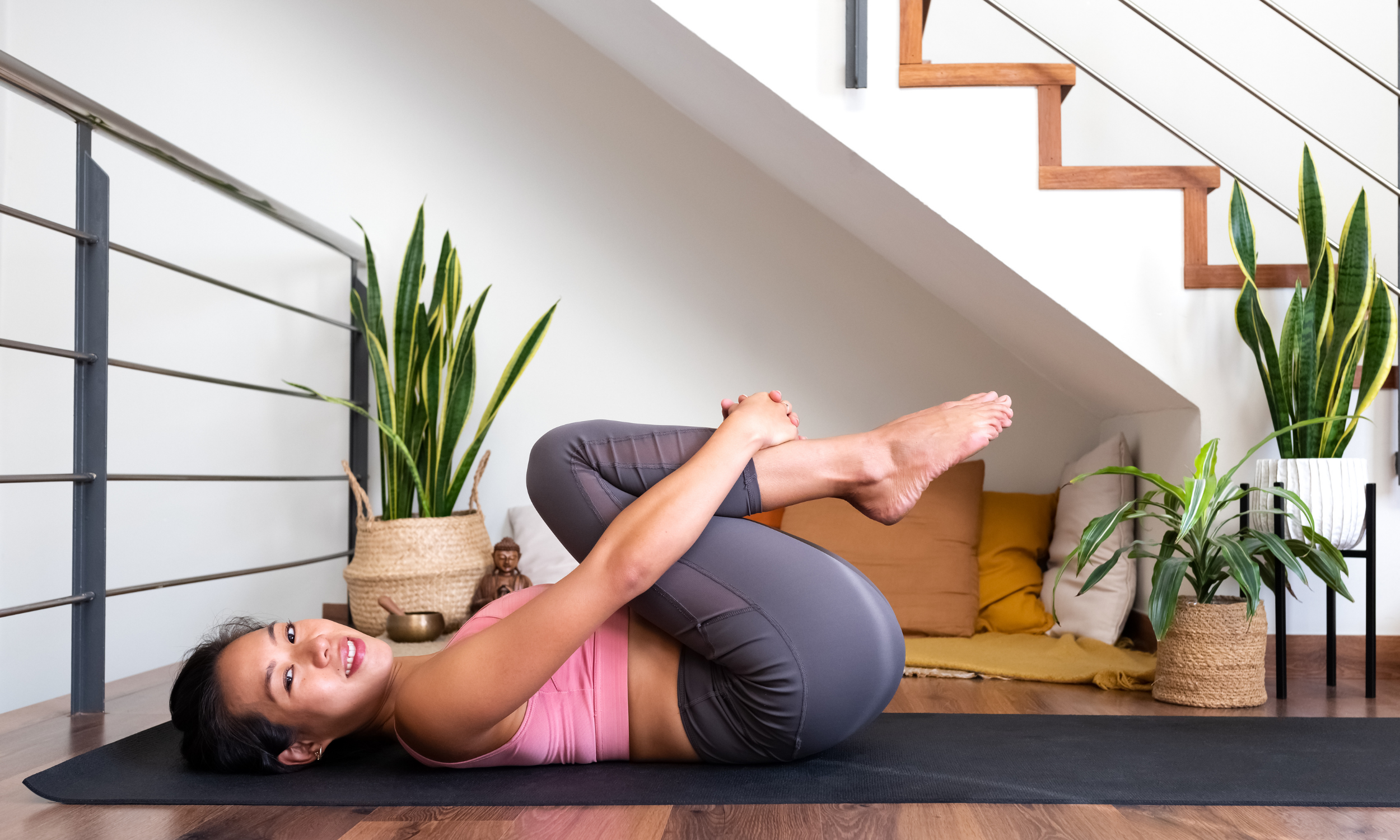
4. Prioritise Mobility (Your Future Self Will Thank You)
It’s normal to feel stiff returning to training after December downtime.
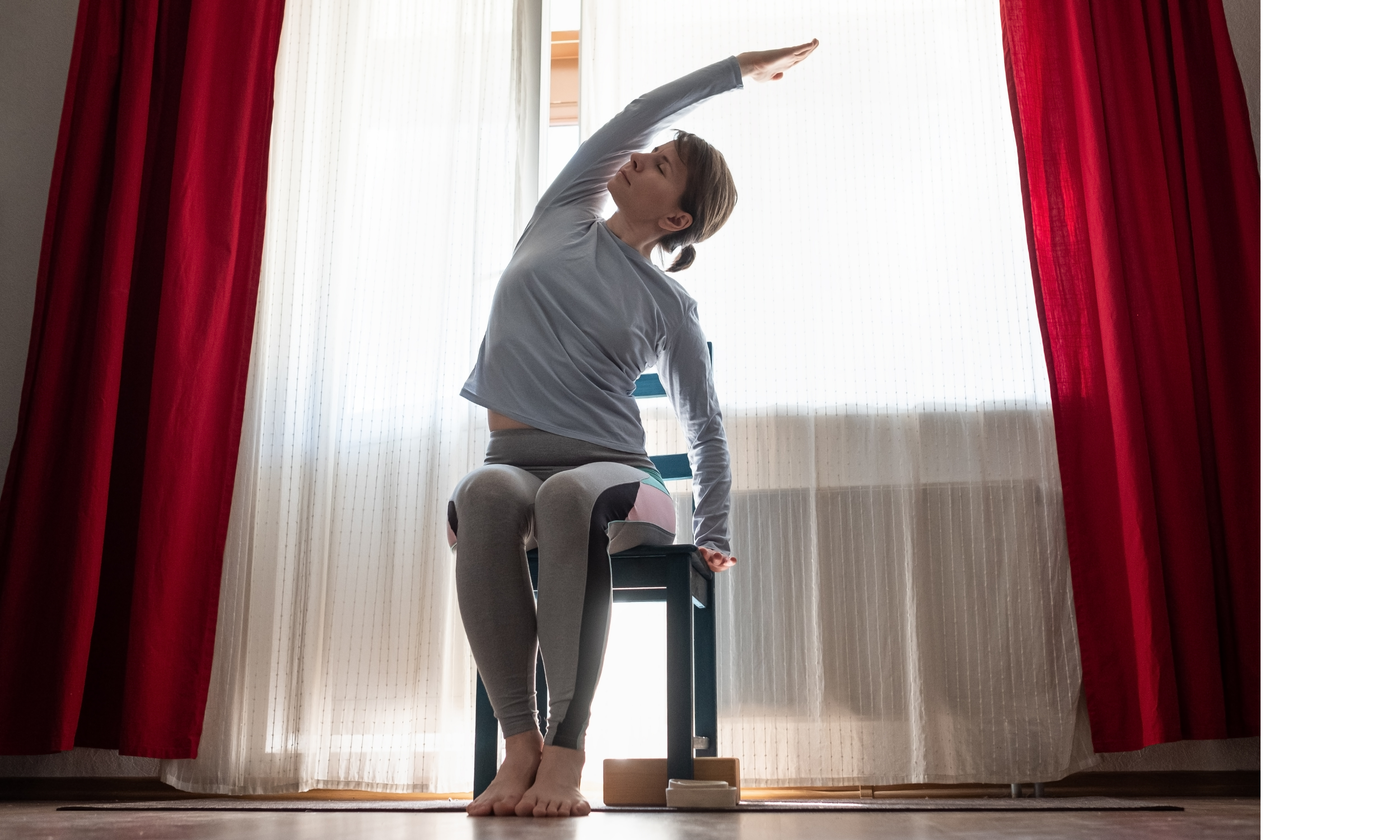
Adding simple mobility work helps:
Reduce tightness
Improve movement control
Support technique
Prevent overload injuries
Just 5–10 minutes a session is enough to make a difference.
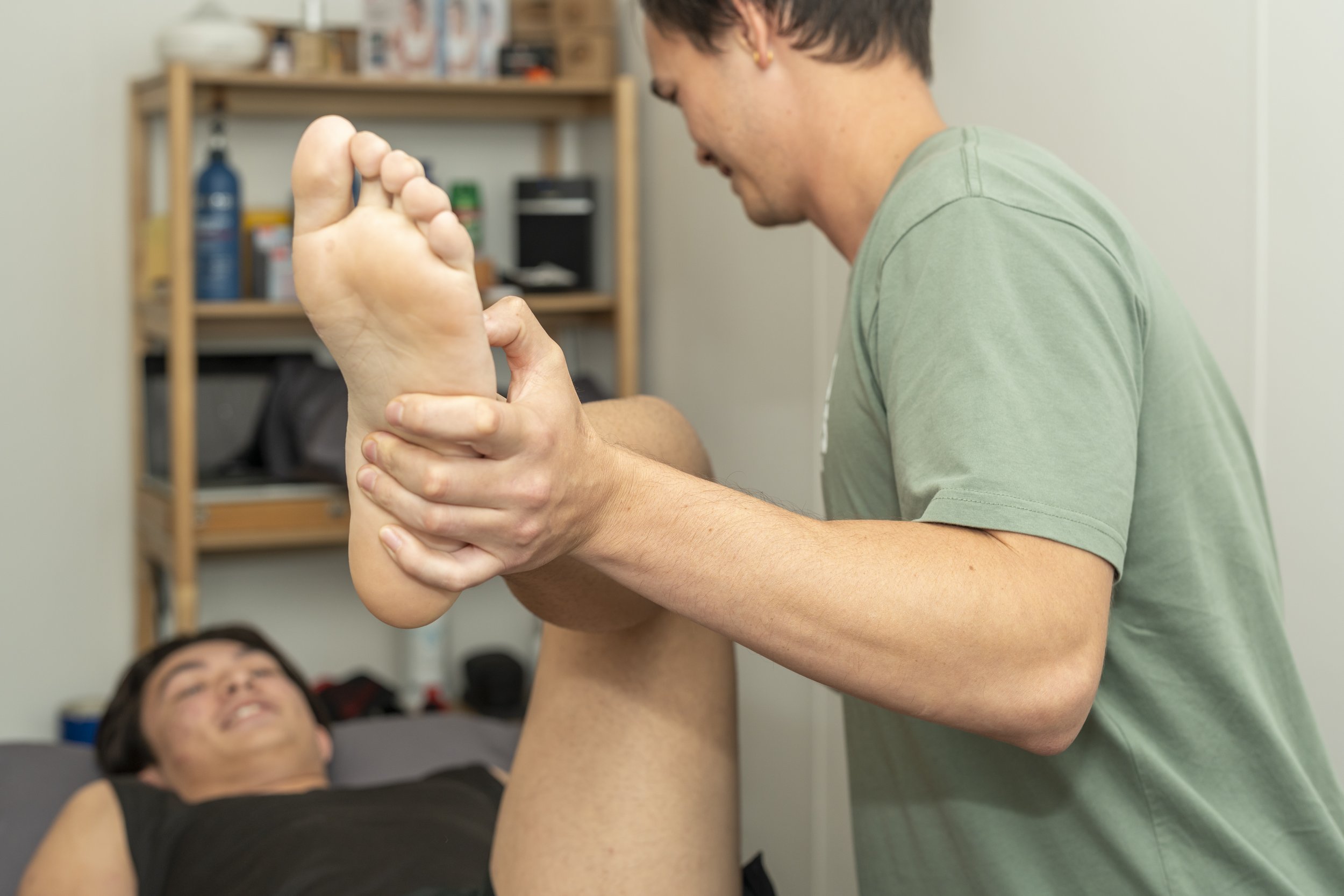
5. Don’t Ignore Pain or Niggles
New Year enthusiasm often pushes people to ignore pain — especially “small” aches.
But pain is feedback. And early signs matter.
Book a physio assessment if you notice:
Increasing pain
Sharp pain with movement
Swelling or stiffness
Pain that lingers for more than a week
Early treatment = faster recovery.
6. Rest Is Part of Training — Not Opposite to It
Rest is where your body adapts, recovers, and rebuilds.
Without enough rest, you may see:
Fatigue
Slower progress
Recurring pain
Loss of motivation
Aim for:
1–2 rest days per week
7–9 hours sleep
Active recovery sessions
Your results depend on recovery just as much as effort.
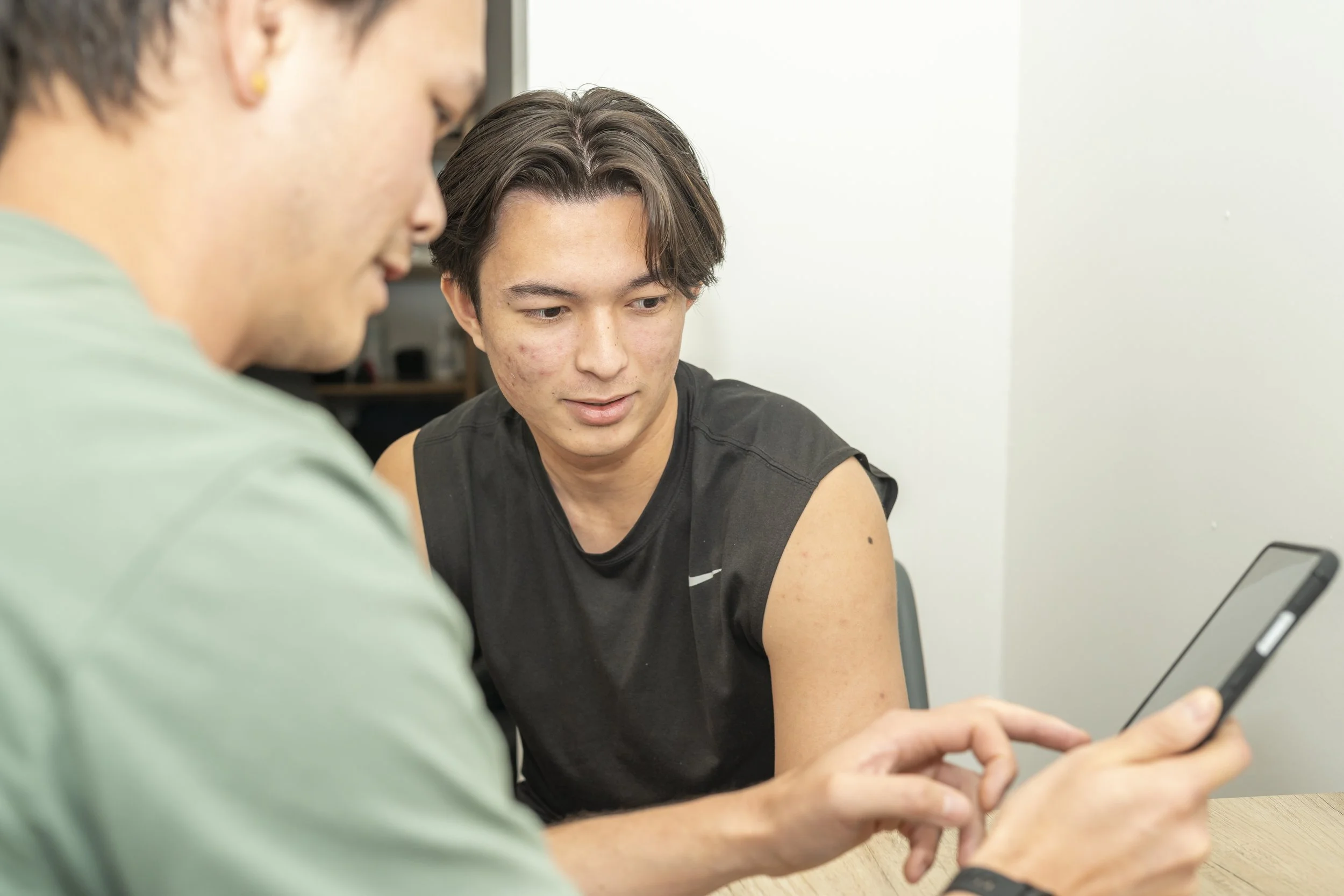
7. Set SMART, Sustainable Goals
Instead of vague resolutions like “get fit,” be specific:
2–3 gym sessions weekly
5,000–10,000 steps a day
Run 5km by March
Reach a new lift goal by April
Clear goals are more motivating and easier to measure.
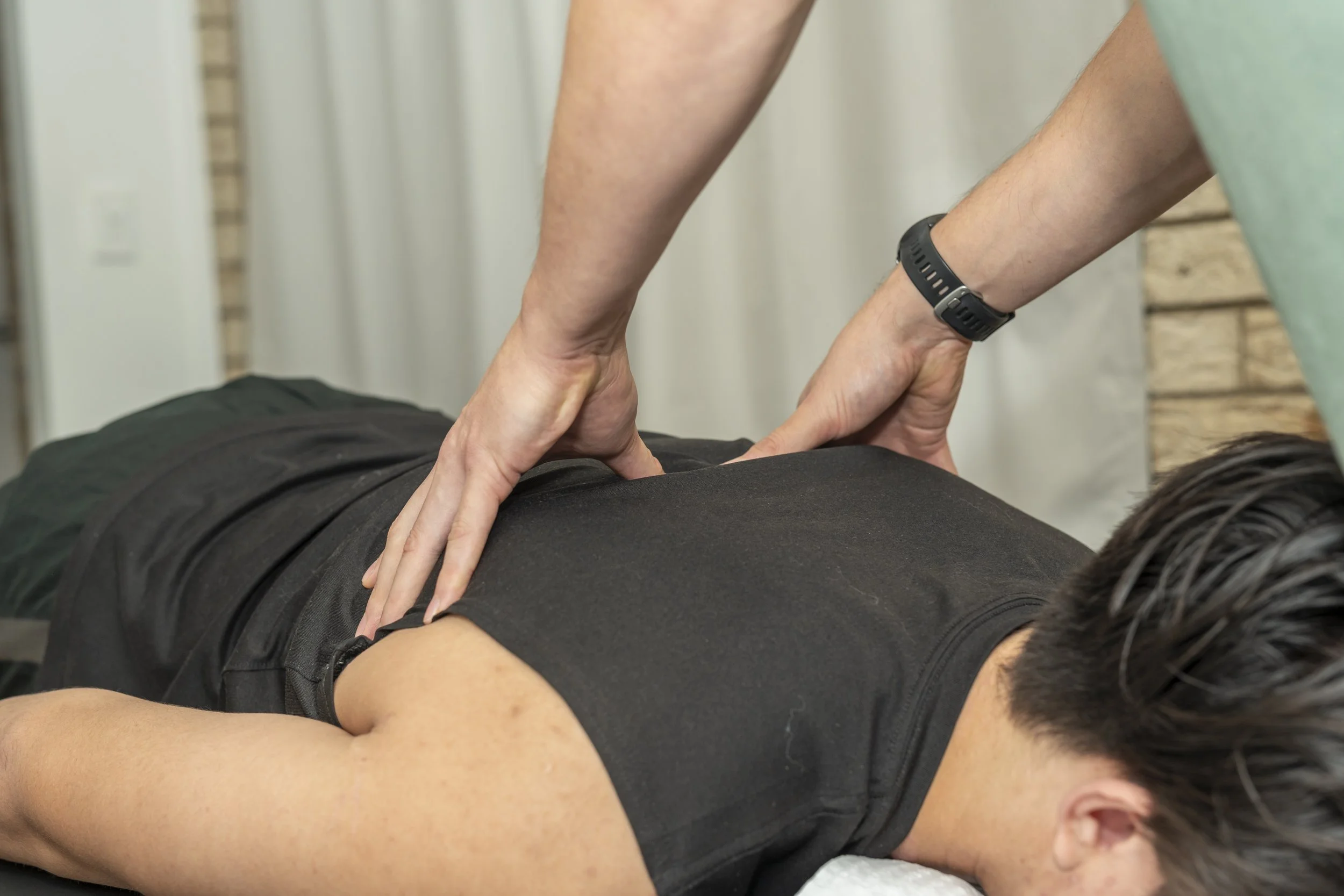
8. Get Support Early — Not After Something Hurts
A physio check-up at the start of the year helps you:
Identify weak spots or movement imbalances
Build personalised training plans
Improve technique
Prevent setbacks
Start strong, not reactive.
Your New Year fitness goals don’t need to fade, stall, or end in injury.
With good planning, gradual progression, smart recovery, and early support, you can build fitness that lasts — not just for January, but for the whole year ahead.
The stronger your foundation, the better your results.
Ready to start 2026 strong?
Book a physio session at Good Vibes Physio and let us help you hit your goals safely, confidently, and consistently.