Why Summer Activity Spikes Cause So Many Injuries

Summer on the Sunshine Coast is made for moving more. Beach days, surfing, hiking, backyard cricket, long walks, gym sessions, social sport — suddenly your activity levels double (or triple).
And every year at Good Vibes Physio, we see the same pattern:
People feel great… until something hurts.
Calf strains. Back pain. Shoulder tweaks. Rolled ankles. Knee flare-ups.
It’s not because summer is dangerous. It’s because your body wasn’t prepared for the sudden spike in load.
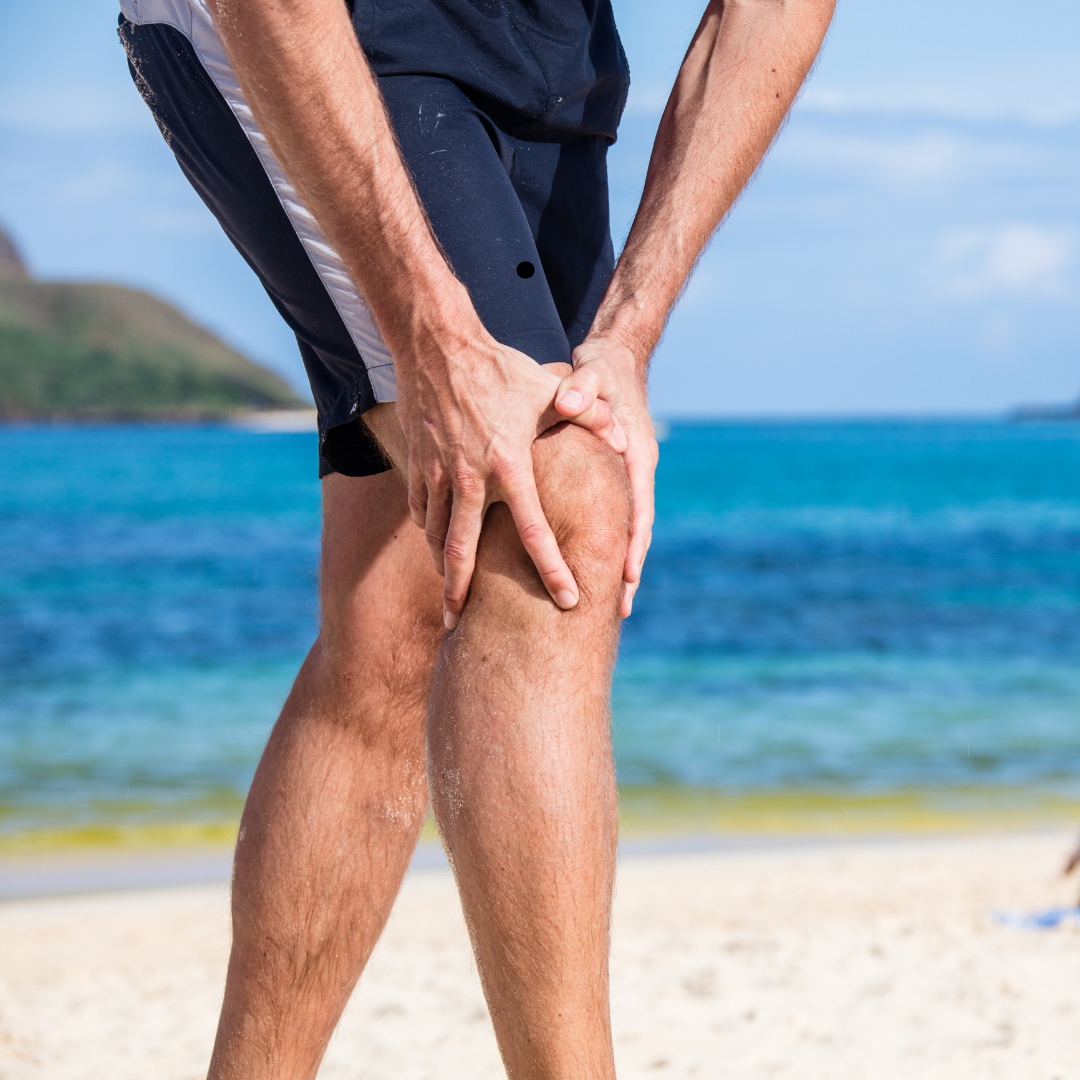
The Real Reason Summer Injuries Happen
Most injuries aren’t caused by one bad movement. They happen because:
Your activity level jumps suddenly
Your tissues aren’t conditioned for it
Fatigue builds up
Recovery gets ignored
Small warning signs get pushed through
Your body adapts to what you do consistently — not what you do occasionally.

The “Load Spike” Problem
If you’ve been busy with work, sitting more, or training less… then suddenly:
You’re swimming every day
Walking 20k steps on holidays
Playing sport again
Surfing multiple times a day
That’s a huge jump in load on your muscles, tendons, and joints.
They simply haven’t had time to adapt yet.
The Most Common Summer Injuries We See
Calf & Achilles strains
Lower back pain
Shoulder pain
Knee pain
Ankle sprains
Almost all of these are preventable.
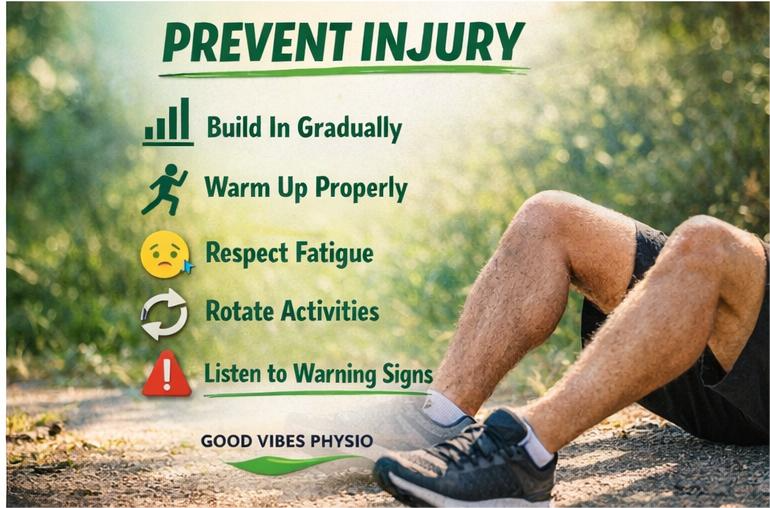
How to Stay Injury-Free This Summer
1. Build In Gradually
Don’t go from zero to everything. Ramp up over 1–2 weeks.
2. Warm Up (Properly)
5–10 minutes of movement before activity makes a massive difference.
3. Respect Fatigue
Most injuries happen when you’re tired — not fresh.
4. Rotate Activities
Don’t load the same tissues every day.
5. Listen to Early Warning Signs
Tightness, stiffness, or soreness that’s getting worse = time to adjust.
The Goal Isn’t to Do Less. It’s to Do It Smarter.
At Good Vibes Physio Sunshine Coast, we help active people:
✅ Keep training
✅ Modify load safely
✅ Fix small issues before they become big ones
✅ Stay active all summer — not stuck rehabbing
👉 If your body is starting to feel tight, sore, or “not quite right”, book an assessment and let’s get ahead of it.