Why Calf Strength Is Critical for Runners
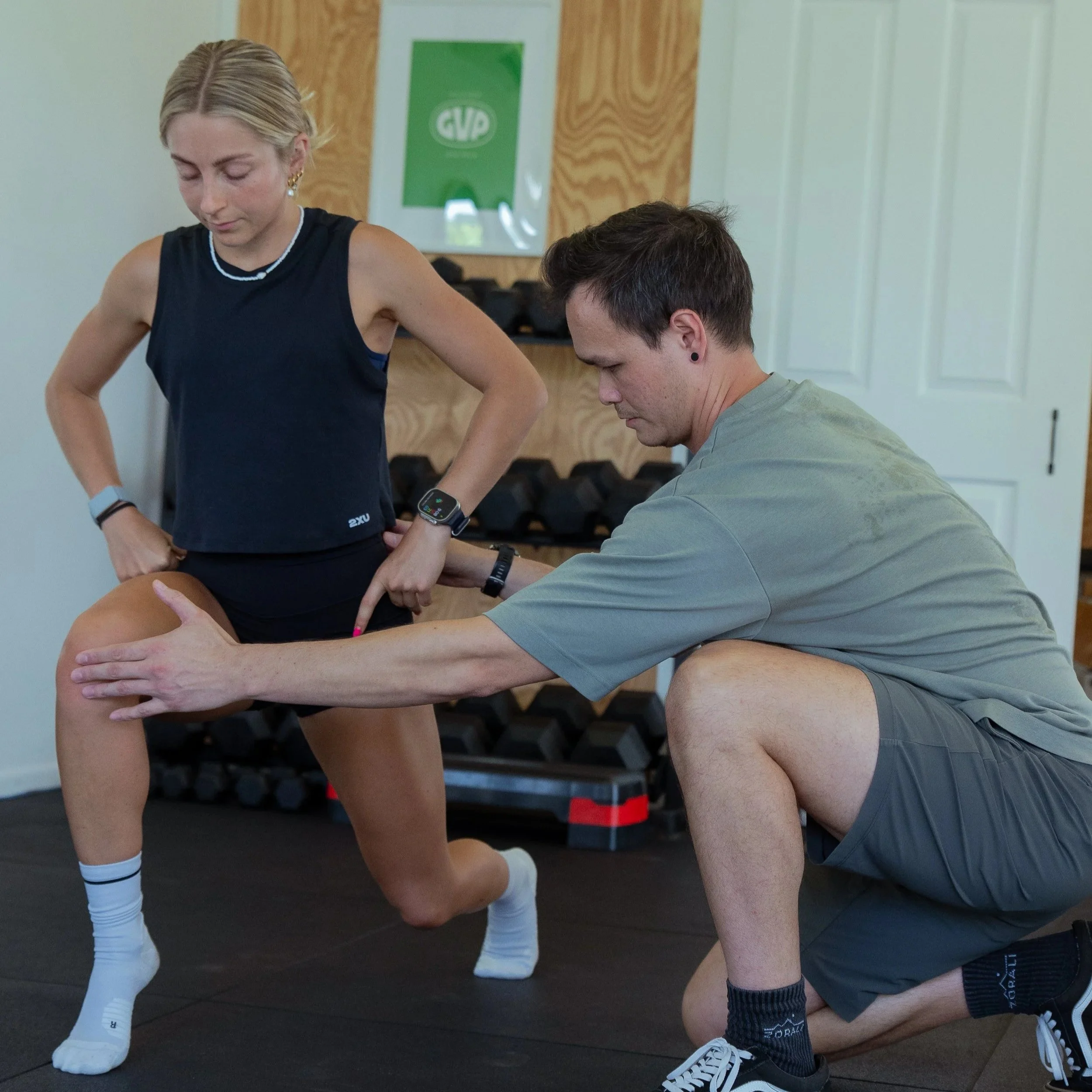
Your Calves Do More Work Than You Think
When you run, your calves are doing a huge amount of work.
Every step you take:
Absorbs impact
Stores and releases energy
Propels you forward
In fact, your calf-Achilles complex handles the highest load in the body during running.
At Good Vibes Physio Sunshine Coast, we see it all the time:
When calf strength isn’t there — something else starts to break down.
Why Calf Strength Matters for Running
Strong calves aren’t just about power.
They’re about load tolerance and injury prevention.
Your calves help to:
Reduce stress on your Achilles tendon
Support your knees and hips
Improve running efficiency
Absorb repetitive impact forces
If your calves can’t handle the load, that stress gets transferred elsewhere.
What Happens When Your Calves Are Weak
This is where problems start.
Weak or undertrained calves are commonly linked to:
Achilles tendinopathy
Calf strains
Shin splints
Plantar fascia pain
Runner’s knee
Even hip and lower back issues
Not because your calves are the only problem — but because they’re not doing enough of their job.
The Most Common Mistake Runners Make
Most runners:
Focus on running more
Stretch tight calves
Maybe foam roll
But they don’t actually build strength.
Tightness is often a sign of fatigue or overload, not just a lack of flexibility.
Stretching alone won’t fix that.
The Two Calf Muscles You Need to Train
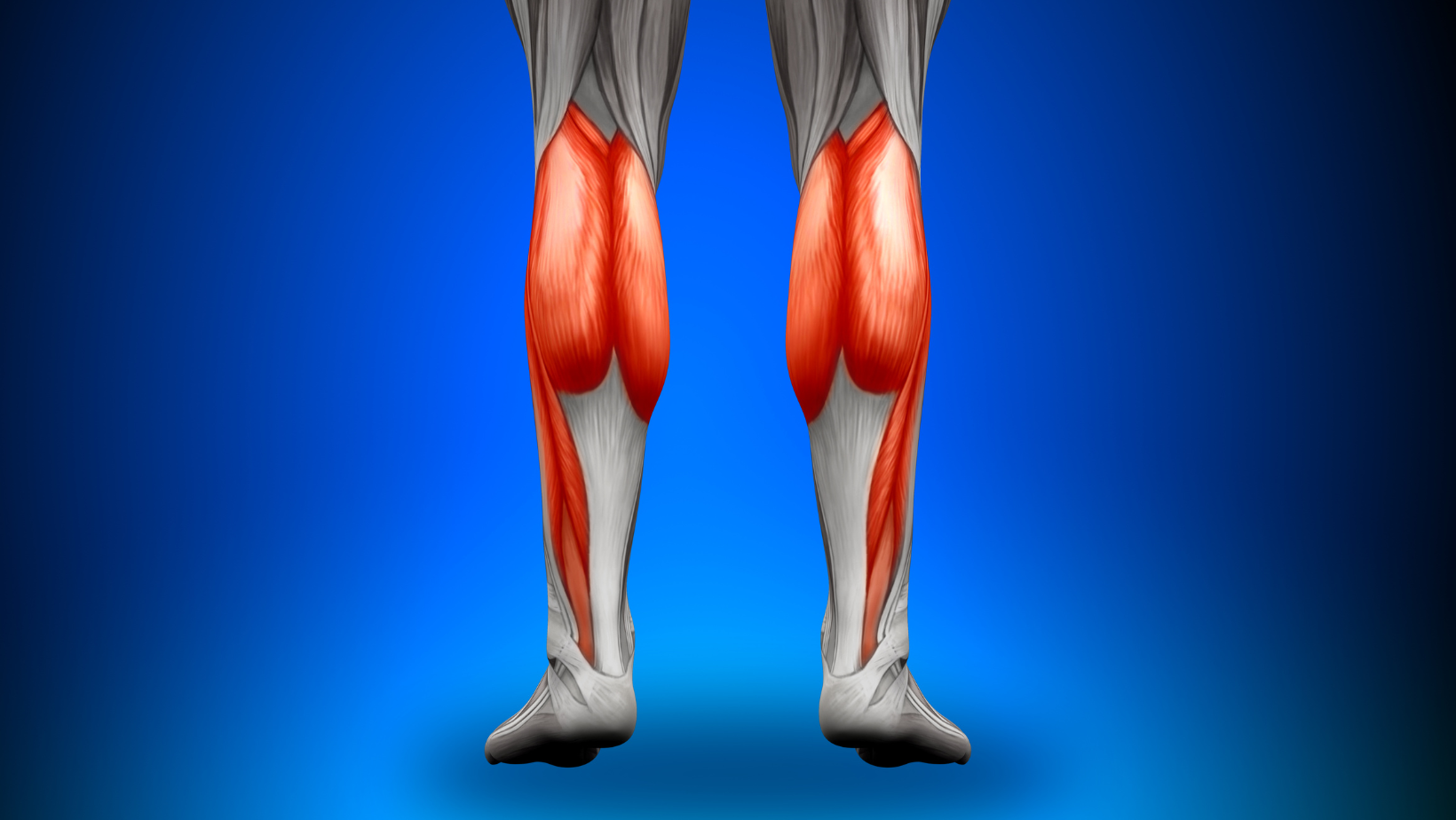
Your calf is made up of two key muscles:
1️. Gastrocnemius (Straight Knee)
Works more in explosive movements
Important for propulsion
2️. Soleus (Bent Knee)
Works continuously during running
Critical for endurance and load tolerance
Most runners undertrain the soleus — which is why issues keep coming back.
What Good Calf Strength Looks Like
For runners, strength isn’t just about doing a few calf raises.
You need:
Single-leg strength
Endurance (high reps under control)
Heavy load tolerance
Control through full range
A strong calf should handle your body weight repeatedly without fatigue or pain.
Simple Calf Strength Exercises
Here are a few key starting points:
✔ Straight-Leg Calf Raises - Targets gastrocnemius
✔ Bent-Knee Calf Raises - Targets soleus (often the missing piece)
✔ Single-Leg Calf Raises - Builds control and strength symmetry
✔ Slow, Controlled Tempo - Focus on quality, not speed
When Calf Strength Matters Most
You’re at higher risk if you:
Increase running volume
Add hills or speed work
Return from time off
Change footwear
Train on harder surfaces
This is when your calves need to be at their strongest.
Early Warning Signs Your Calves Aren’t Coping
Tightness early in runs
Morning stiffness in Achilles
Fatigue or burning in calves
Recurrent calf strains
Shin or heel pain
These are signs your capacity hasn’t caught up to your load.
The Goal: Strong, Durable Calves
Running isn’t just about fitness.
It’s about building a body that can handle the load consistently.
How We Help Runners at Good Vibes Physio
At Good Vibes Physio Sunshine Coast, we help runners:
✅ Build calf strength properly
✅ Improve running load tolerance
✅ Reduce injury risk
✅ Manage early warning signs
✅ Stay consistent long-term
Whether you’re training for a race or just enjoying your runs, we’ll help you build a body that supports your goals.
If you're dealing with a calf issue, book an initial consult at Good Vibes Physio — and leave with a clear plan, not just a guess.
Want more than a single appointment? The Good Movement Program is a structured 4–12 week rehab plan built for active people who want results that last.