Achilles Pain in Runners: Why Rest Isn’t Enough
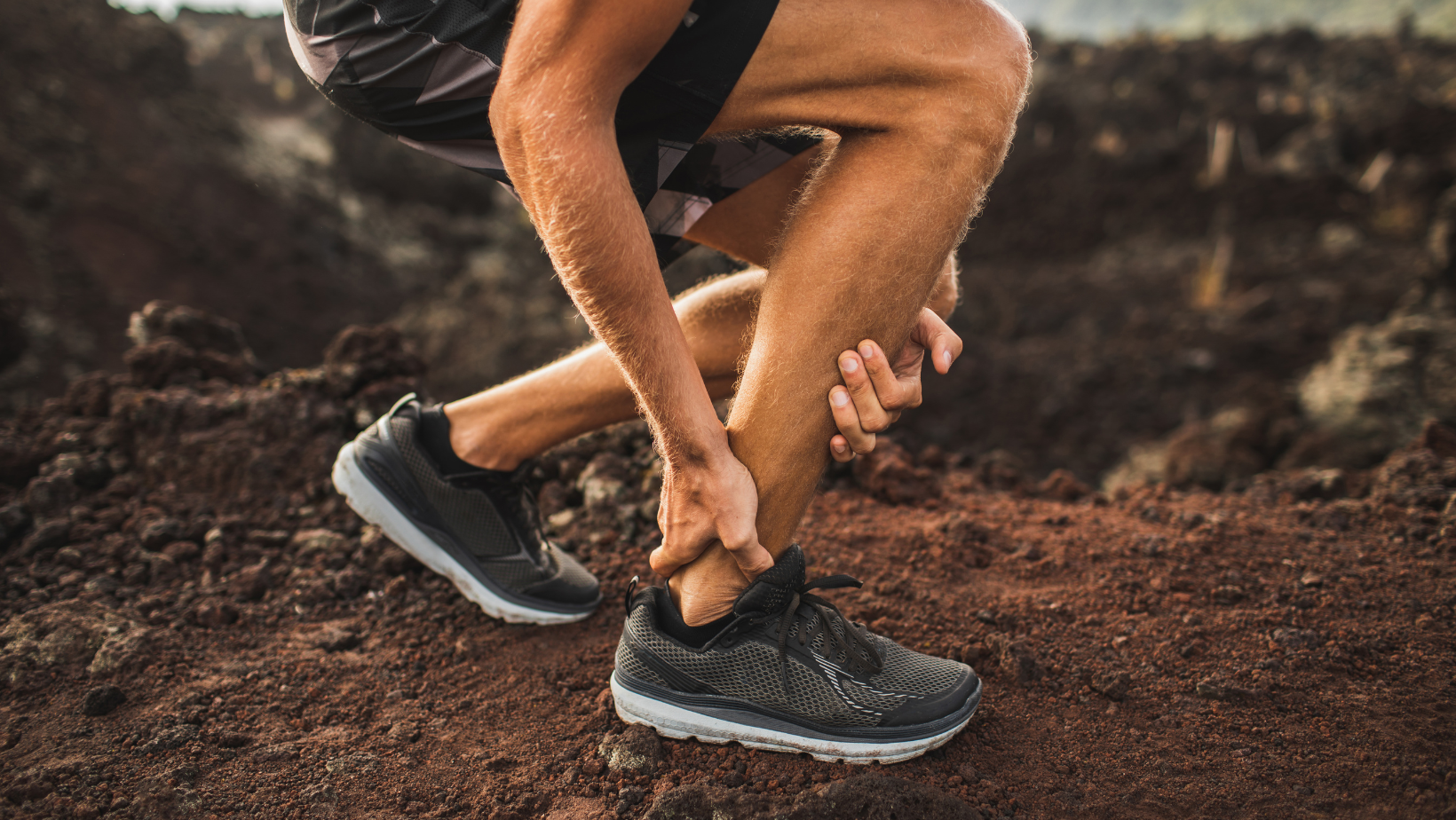
That Stiff, Sore Feeling in Your Heel…
It usually starts off as an annoying niggle.
Your Achilles feels tight in the morning
The first few steps out of bed are uncomfortable
It aches at the start of a run but “warms up”
It feels worse the day after speed work or hills
You tell yourself:
“I’ll just rest it for a few days.”
The pain settles… a little.
Then you run again — and it’s back.
At Good Vibes Physio Sunshine Coast, Achilles tendon pain is one of the most common running injuries we treat.
And the biggest myth we hear?
“I just need to rest it.”
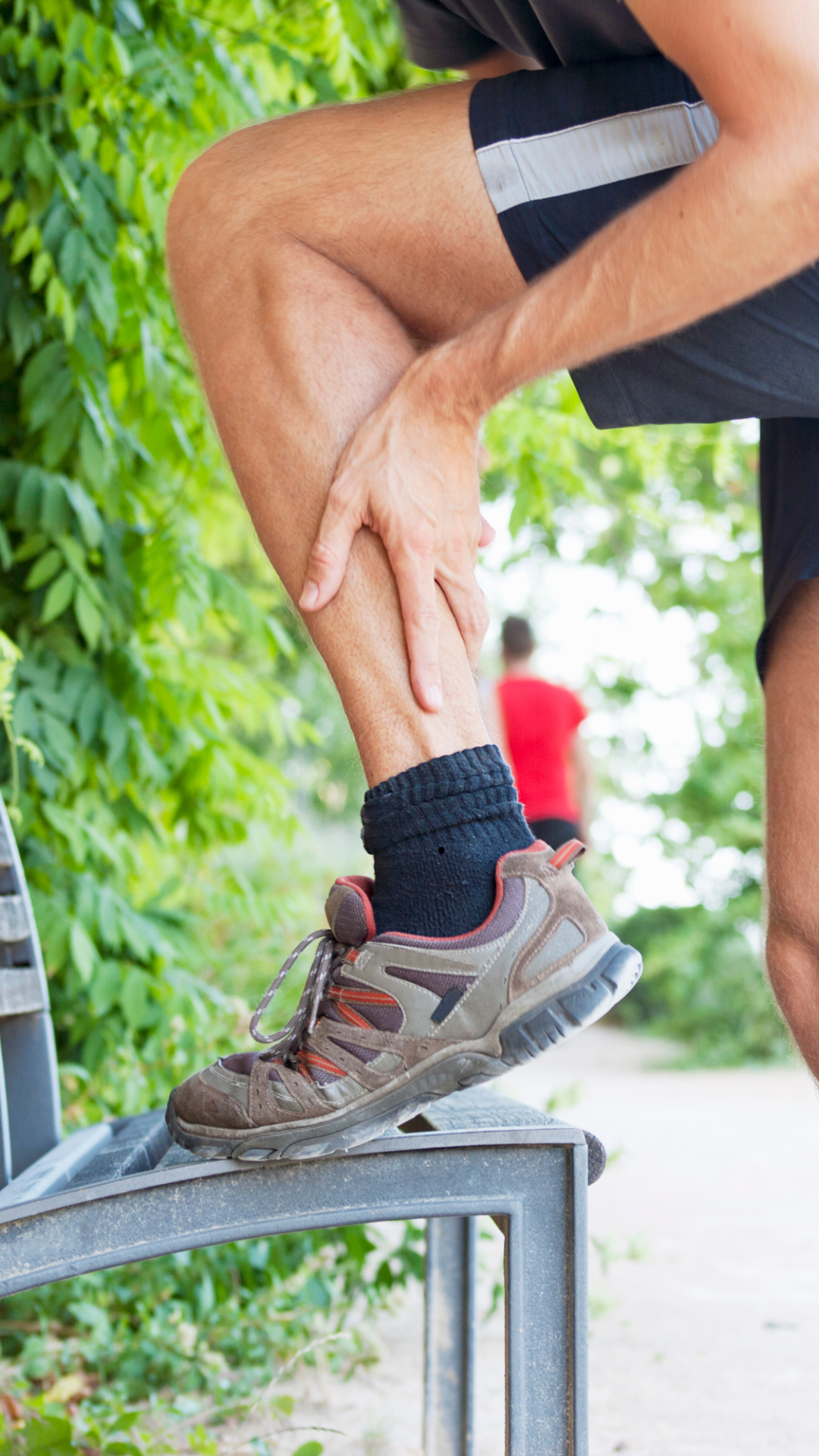
What’s Actually Happening in Achilles Pain
Most Achilles pain in runners is Achilles tendinopathy — a load-related tendon condition.
It’s not usually just inflammation.
It’s not usually a tear.
It’s usually a tendon that has been asked to handle more load than it’s currently prepared for.
The tendon becomes sensitive because:
Running volume increased
Speed or hills were added
Recovery dropped
Strength hasn’t kept up with training load
Why Rest Alone Doesn’t Fix It
Rest may calm symptoms temporarily.
But here’s the problem:
Tendons get stronger by gradually loading them, not by avoiding load completely.
If you:
Stop running completely
Avoid calf work
Wait for pain to disappear
Your tendon capacity doesn’t improve.
So when you return to running, it flares up again.
That’s the cycle.
The Warm-Up Trap
Many runners say:
“It feels stiff at first, but once I warm up it’s fine.”
That doesn’t mean it’s healed.
It means your tendon temporarily tolerates load better once warm — but it’s still underprepared for the total stress.
Morning stiffness is one of the clearest early warning signs of Achilles overload.
What Actually Fixes Achilles Pain
1️. Smart Load Management (Not Complete Rest)
Often you don’t need to stop running completely.
You may need to:
Reduce volume temporarily
Remove hills or speed
Modify frequency
The goal is to reduce aggravation while maintaining conditioning.
2️. Progressive Calf Strength Training
Your Achilles connects to your calf muscles — and strong calves reduce tendon strain.
Key exercises often include:
Heavy slow calf raises
Bent-knee (soleus) loading
Single-leg strength work
Gradual plyometric progressions
Strength builds tendon capacity.
3️. Gradual Return to Higher Loads
Once symptoms settle and strength improves:
Reintroduce speed slowly
Reintroduce hills gradually
Increase weekly volume progressively
Consistency matters more than rushing back.
4️. Address Contributing Factors
Sometimes Achilles pain is influenced by:
Sudden footwear changes
Tight calf complex
Reduced ankle mobility
Poor load management
Stacked life stress
It’s rarely just “tight calves.”
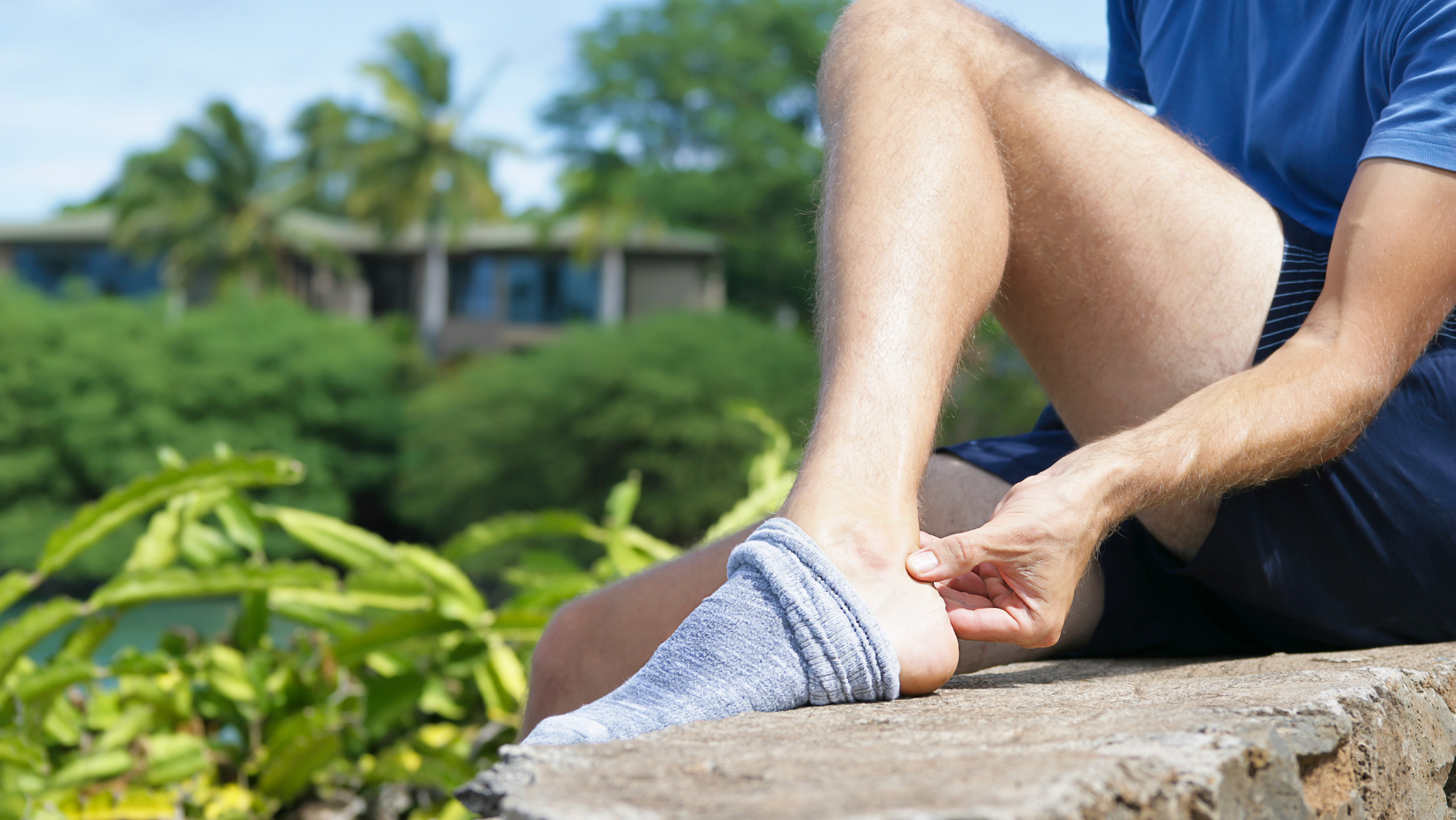
Early Warning Signs You Shouldn’t Ignore
Morning stiffness lasting more than a few minutes
Pain at the start of runs that improves but returns
Increased pain after speed or hills
Local tenderness 2–6 cm above the heel
The earlier you address it, the faster it settles.
The Biggest Mistake Runners Make
They wait until they can’t run.
Instead of adjusting when it first feels “a bit tight.”
Small changes early prevent serious injury later.
The Goal Isn’t Just Pain-Free Running
It’s having an Achilles tendon that can handle your training long-term.
How We Help Runners at Good Vibes Physio
At Good Vibes Physio Sunshine Coast, we help runners:
✅ Modify training without losing all fitness
✅ Build calf and tendon capacity
✅ Progress back to speed and hills safely
✅ Break the flare-up cycle
✅ Stay consistent year-round
If you're dealing with Achilles pain, book an initial consult at Good Vibes Physio - and leave with a clear plan, not just a guess.