How Heat, Fatigue & Dehydration Affect Your Injury Risk

Why You Feel Fine… Until You Don’t
Training in summer feels great. Longer days, more energy, more outdoor sessions.
But every year at Good Vibes Physio Sunshine Coast, we see the same pattern:
People don’t get injured at the start of sessions.
They get injured when they’re hot, tired, and depleted.
Heat, fatigue, and dehydration create the perfect storm for injuries — even in people who are fit and experienced.

What Heat Does to Your Body
Training in heat:
Increases fatigue much faster
Raises heart rate for the same workload
Reduces coordination and reaction time
Increases cramping risk
Makes effort feel harder than usual
When your nervous system and muscles are under heat stress, your movement quality drops — even if you don’t notice it.

What Fatigue Does to Your Movement
Fatigue doesn’t just make you slower. It changes how you move:
Technique breaks down
Load shifts to the wrong joints
Muscles stop sharing the work properly
Compensations creep in
Your body starts taking shortcuts
Most injuries happen late in sessions, not early — because that’s when fatigue is highest.
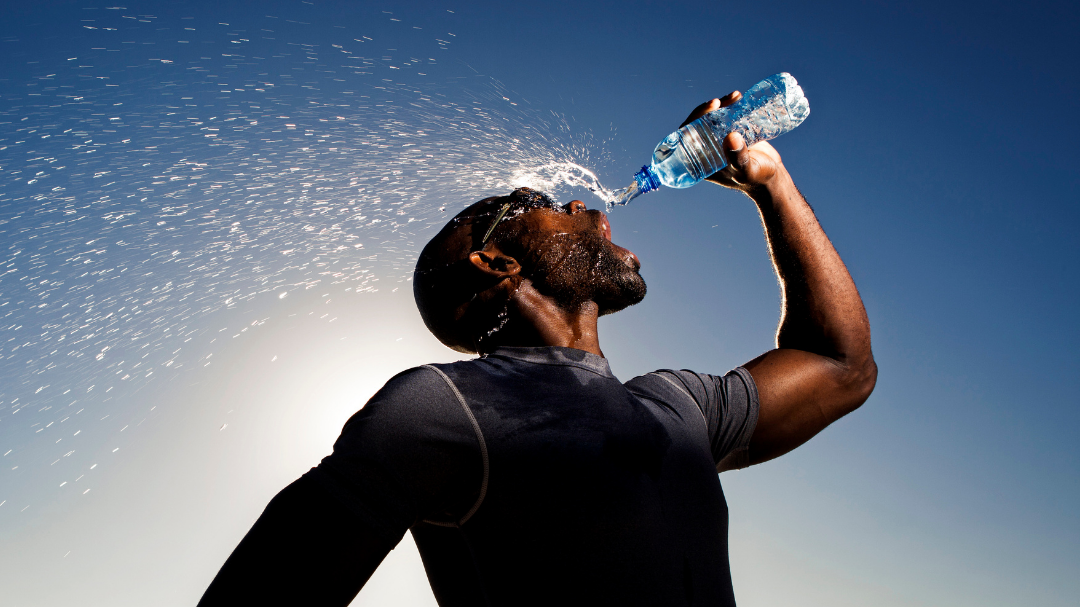
What Dehydration Does
Even mild dehydration:
Reduces muscle strength and endurance
Increases tendon and muscle strain risk
Slows reaction time and coordination
Makes fatigue hit earlier and harder
Slows recovery between sessions
By the time you feel thirsty, you’re often already under-fuelled.
Why These Three Multiply Each Other
Heat makes you fatigue faster.
Fatigue makes your movement worse.
Dehydration makes both happen sooner.
That’s why summer injuries often feel like they come out of nowhere — but they don’t.
Common Summer Injuries Linked to Fatigue & Heat
At Good Vibes Physio, we often see:
Calf and Achilles strains
Hamstring strains
Lower back flare-ups
Shoulder injuries
Ankle sprains
Not because people are weak — but because they’re overloaded in tough conditions.
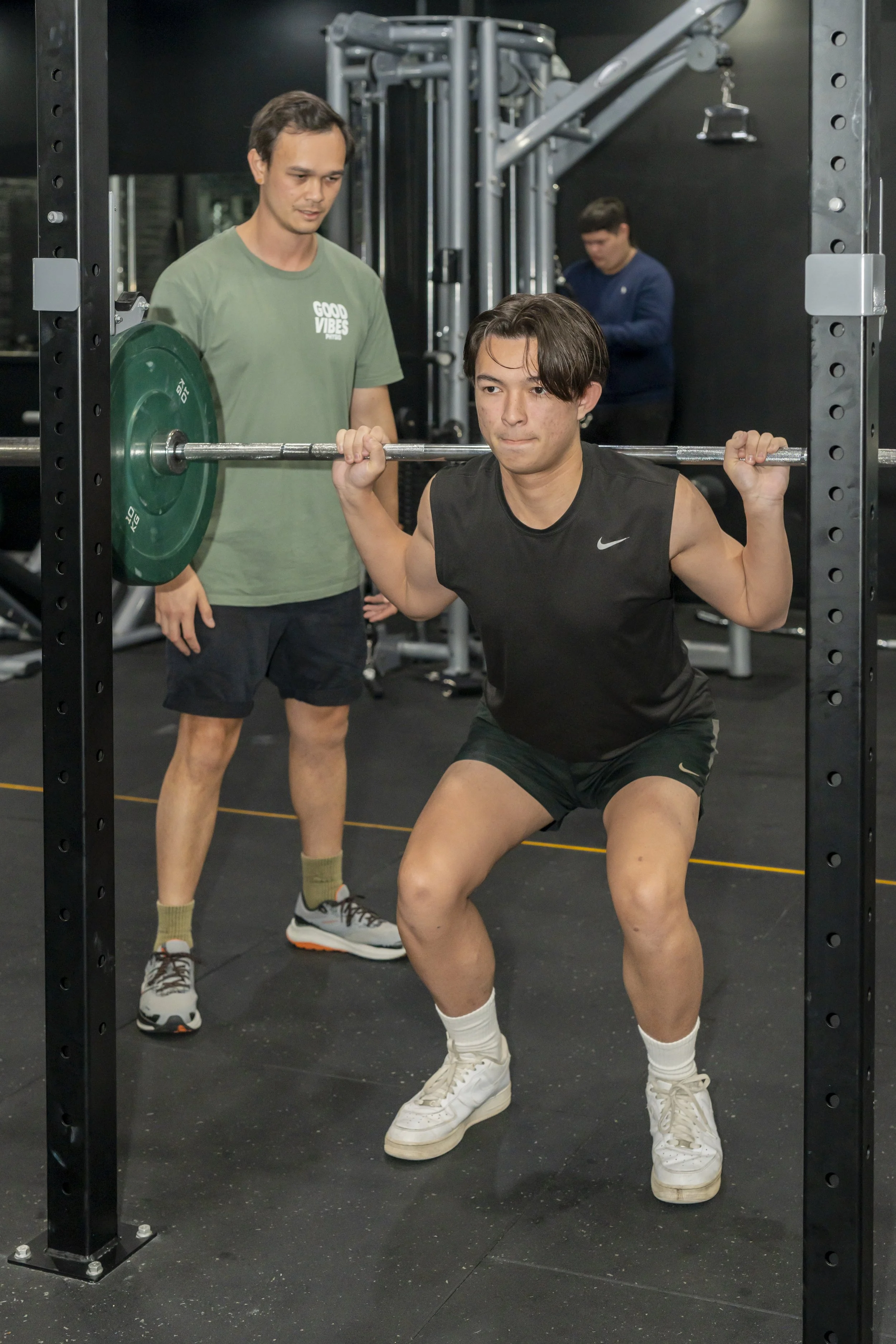
How to Train Smarter in Hot Conditions
1. Adjust Expectations
Your pace, weights, and volume should drop in heat. That’s not weakness — it’s smart training.
2. Train Earlier or Later
Avoid the hottest part of the day where possible.
3. Hydrate Before, During & After
Don’t wait until you’re thirsty.
4. Shorten Sessions on Extreme Days
Consistency beats hero workouts.
5. Respect Fatigue
If technique is falling apart, stop or switch exercises.
The Goal Isn’t to Avoid Summer Training
It’s to survive it consistently and injury-free.
How We Help at Good Vibes Physio
We help active people on the Sunshine Coast:
✅ Modify training safely
✅ Manage load and recovery
✅ Fix early warning signs
✅ Stay consistent all summer
👉 If your body is feeling beaten up by the heat, book an assessment and let’s get ahead of it before something breaks.