How Much Rest Is Too Much? Balancing Downtime & Activity at Christmas

The Christmas break is meant to be a time to slow down — sleep in, switch off, and enjoy time with family. But for many people, the sudden shift from busy routines to days of lounging on the couch can create its own problems.
Stiff backs. Tight hips. Achy necks.
And the classic: “Why am I sore when I haven’t done anything?”
At Good Vibes Physio, we remind our clients that rest is essential… but too much rest can leave your body feeling worse, not better. The key is finding the right balance between downtime and gentle movement.
Here’s how to enjoy the holidays without ending up stiff, sore, or starting the new year behind.

Why “Complete Rest” Isn’t Always the Best Option
Your body loves movement — even small amounts.
When you suddenly go from your normal routine to long days of sitting, lying down, or being inactive, a few things happen:
Your joints stiffen
Muscles tighten (especially the back, hip flexors, and neck)
Circulation slows
Old injuries can flare up
You feel more fatigued — not less
Rest is important, but your body works best when rest is mixed with movement.
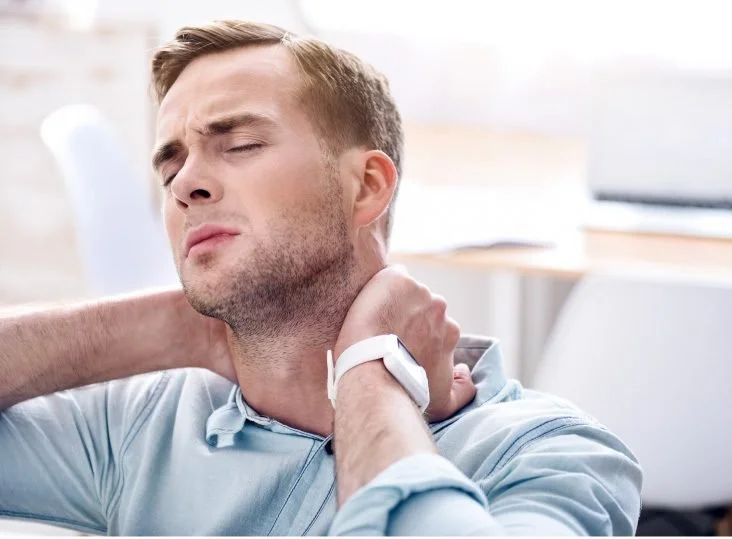
Signs You Might Be Resting Too Much
You don’t have to be exercising to know your body needs a reset. Watch for:
Feeling stiff every time you stand up
Soreness in the lower back or neck
Heavy or tight legs
Feeling sluggish or low in energy
Old niggles returning
Restlessness or trouble sleeping
If this sounds familiar, your body is telling you it needs more movement — not less.
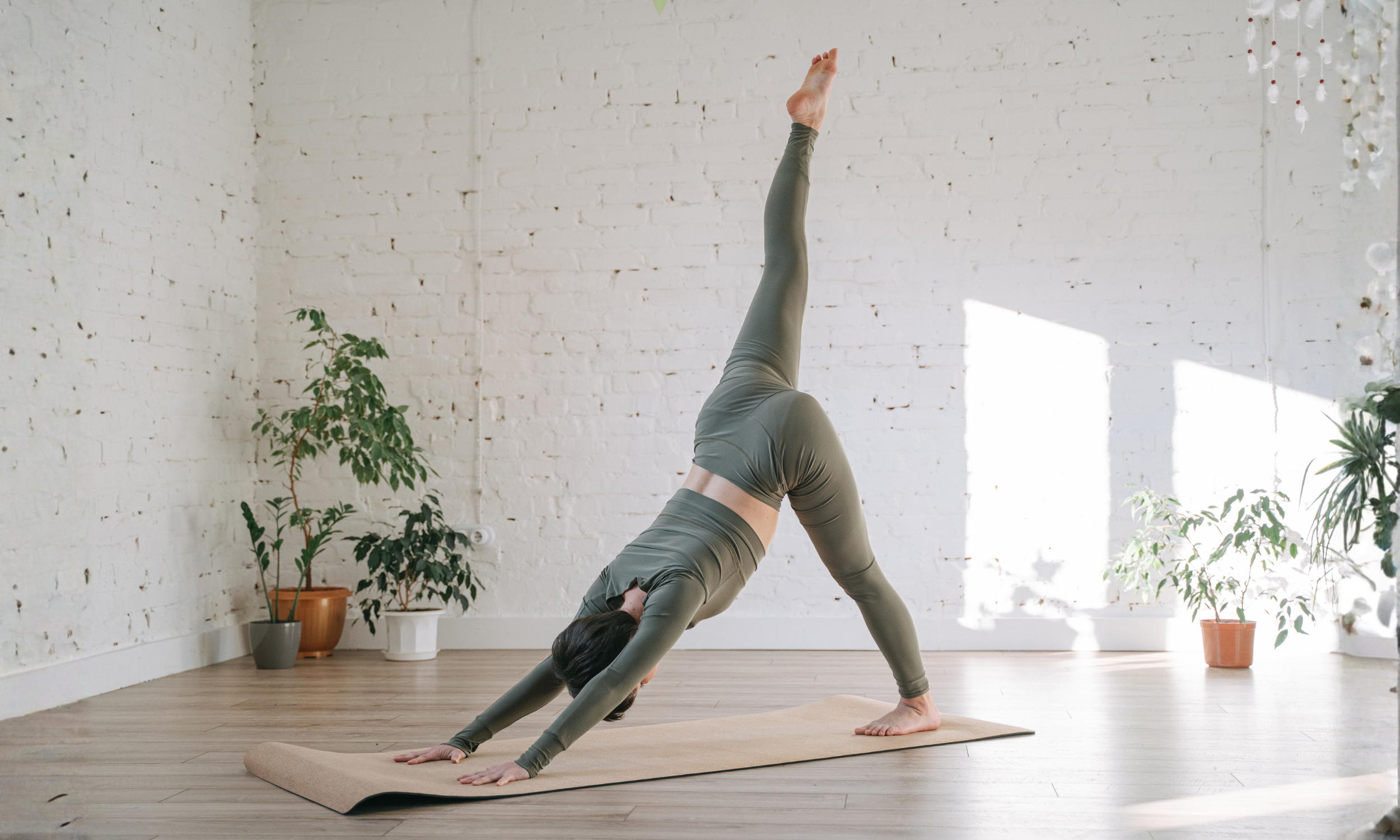
So, How Much Rest Is Healthy?
Most people feel best when they aim for a balance of short rest periods and regular gentle activity throughout the day.
Here’s a simple guideline for the holiday break:
✔ Rest: Sleep, slow mornings, downtime, reading, movies.
✔ Move: Light activity every 45–60 minutes — even a few minutes makes a difference.
This balance keeps you feeling refreshed and physically comfortable.
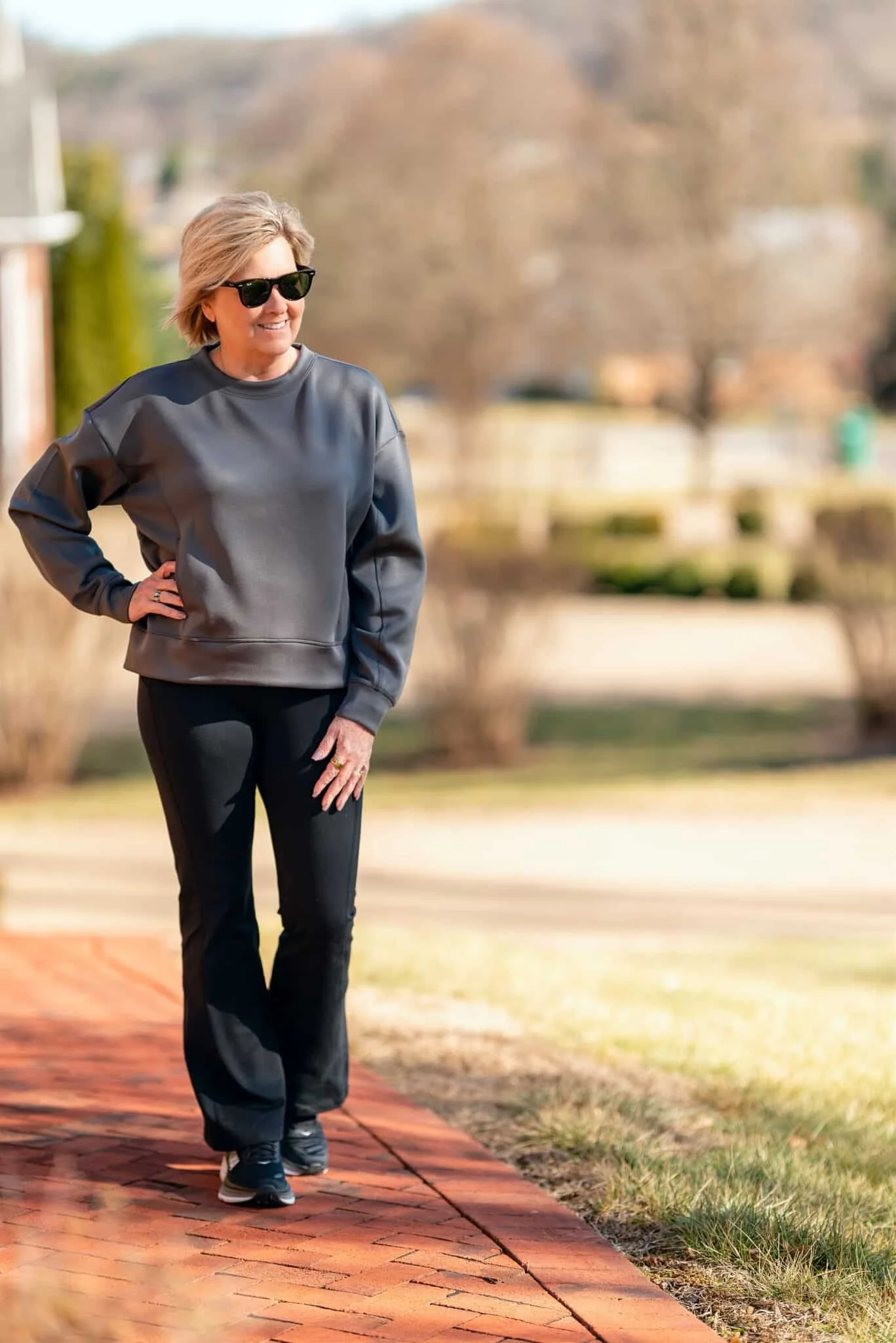
5 Easy Ways to Stay Active Without Exercising
You don’t need gym sessions to support your body.
Try adding these into your Christmas routine:
1. Walk Daily — Even 10 Minutes Helps
A short walk relaxes tight muscles, boosts energy, and helps digestion after big meals.
2. Reset Your Posture Every Hour
Gentle movements like shoulder rolls, standing tall, or twisting through your spine help counter long periods of sitting.
3. Stretch During Christmas Movies
Sit on the floor, try gentle hamstring stretches, hip openers, or back mobility while you watch.
4. Break Up Couch Time
Stand, refill your drink, go outside, or move through the house every so often.
5. Do a 2-Minute Mobility Routine
Focus on the big-ticket areas:
Thoracic spine
Hips
Ankles
Neck
These quick “movement snacks” keep you loose and pain-free.

What About Training? Should I Take a Full Break?
Yes—and no.
Taking a rest week over Christmas is totally fine and can help your body recover.
But a full break doesn’t mean:
❌ No movement at all
❌ Sitting for 8 hours straight
❌ Ignoring stiffness or aches
A deload week (less intensity, more mobility) is usually better than a full stop.
Your body appreciates the break — but it still needs consistency.

When Resting Becomes a Problem
If you notice any of the following, it may be a sign you need to move more:
Back stiffness that worsens over days
Pain when standing up after sitting
Increased headaches
Feeling weaker or “heavy” during normal tasks
Trouble “switching back on” when training resumes
These are common during the holidays — and totally preventable.

The Sweet Spot: Mindful Rest + Gentle Movement
Your perfect Christmas rhythm might look like this:
Slow morning → light stretching
Breakfast → short walk
Lunch with family → stand and move regularly
Afternoon relaxation → mobility or gentle core work
Evening wind-down → walk or floor stretches
This keeps the body happy and lets you enjoy true rest without aches creeping in.
Rest is essential.
But too much rest without movement can leave you feeling stiff, sore, and less energised — the opposite of what holidays should bring.
The key isn’t choosing between rest or activity.
It’s blending both.
Enjoy your downtime, but keep your body moving in small, intentional ways so you start the new year feeling loose, strong, and ready.
Feeling stiff or noticing old aches already?
📅 Book a post-Christmas tune-up at Good Vibes Physio and start 2026 feeling fresh, mobile, and pain-free.